Noha A.
See all reviews
Step into the world of AI agents with this practical course on agentic systems. You’ll learn to design, structure, and code agents that can reason, plan, call tools, work with APIs, and analyze data. From prompt design and multi-step reasoning to safety techniques and LangSmith monitoring, you’ll gain the skills to build AI workflows and take the next step in your AI journey.






Skill level:
Duration:
CPE credits:
Accredited

Bringing real-world expertise from leading global companies

Bachelor's degree, Computing and Business

Description
AI Agents in Practice is a practical, beginner-friendly course that shows you how to design and build working agentic systems using today’s most relevant tools and frameworks, including ReAct, ReWOO, LangGraph, and LangSmith. It’s the natural next step for anyone who understands the basics of large language models and simple chatbots and now wants to build agents that can plan, use tools, and follow multi-step workflows.
Along the way, we’ll tackle the questions most people have when they first encounter AI agents, such as:
If you want clear, practical answers to these questions without getting lost in theory, this course is for you.
We begin with a concise introductory section that provides a solid understanding of what an AI agent is, how it differs from a standard LLM application, and how agents are used in real projects.
In Project 1, you’ll build a Job-Helper agent using the ReAct pattern, turning theory into a working system step by step.
In Project 2, you’ll create a new version of the Job-Helper agent using ReWOO, giving you a hands-on comparison of two agentic architectures.
In Project 3, you’ll bring everything together in a new project called the Business Idea Evaluator, a richer workflow that combines multiple techniques.
By the end of the course, you’ll understand:
We break down complex concepts and code into small, digestible steps that make it easy to follow along and start building. Whether you want to expand your portfolio, level up your AI skills, or simply understand how real agents work under the hood, this course is designed to help you make that leap with confidence.
Curriculum
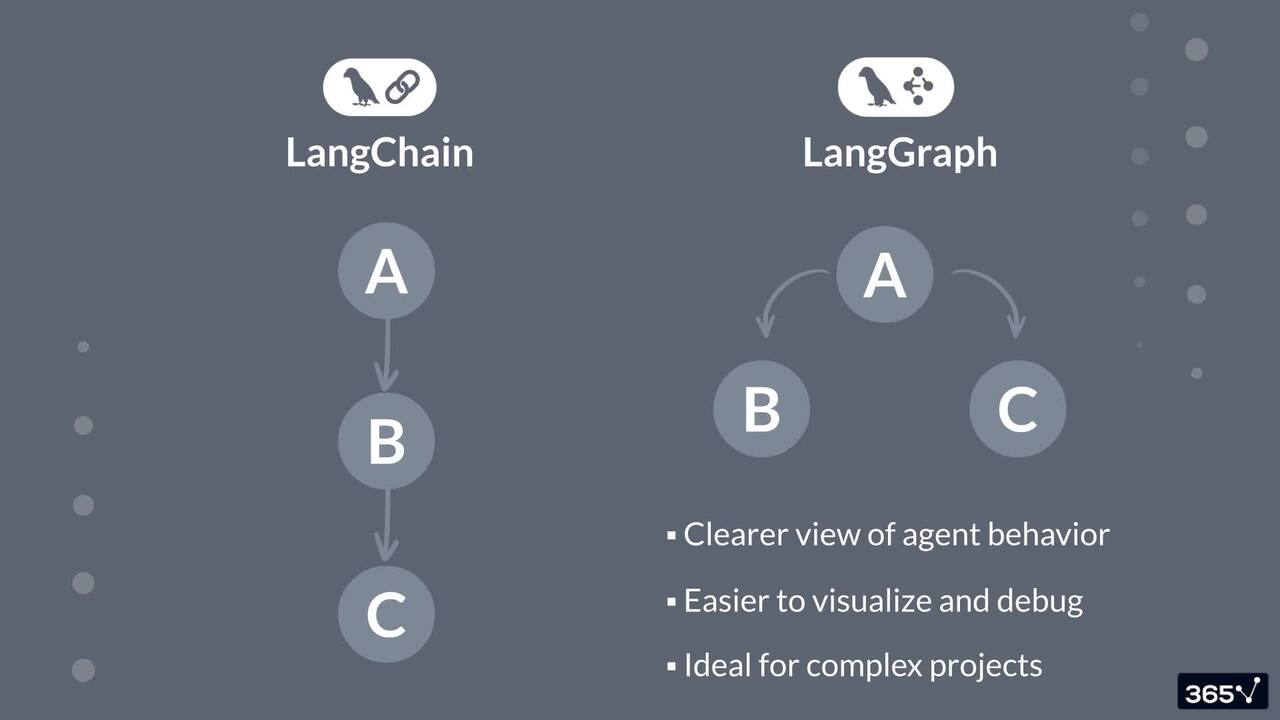
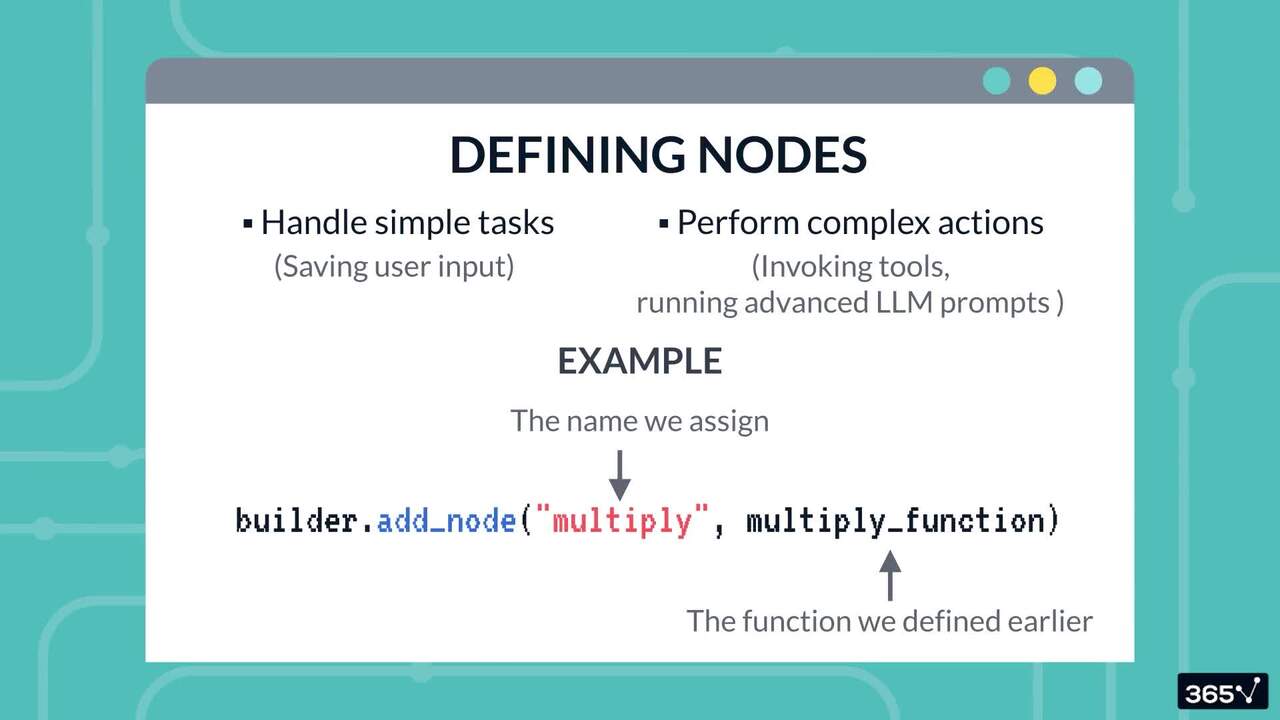
Here, you’ll build a solid foundation for the rest of the course. We’ll walk through the agent development toolkit, why we use LangGraph, how an agent project is structured, key prompt techniques, and how system versus user input shapes an agent’s behavior—ending with a behind-the-scenes look at a real helper chatbot.
Here, you’ll build a solid foundation for the rest of the course. We’ll walk through the agent development toolkit, why we use LangGraph, how an agent project is structured, key prompt techniques, and how system versus user input shapes an agent’s behavior—ending with a behind-the-scenes look at a real helper chatbot.
In this project, you’ll build your first agent using the ReAct pattern. Step by step, you’ll set up your environment, create tools like a file reader and web search API, integrate them into an assistant node, build the graph, add memory, and connect everything to LangSmith so you can trace how the agent thinks.
In this project, you’ll build your first agent using the ReAct pattern. Step by step, you’ll set up your environment, create tools like a file reader and web search API, integrate them into an assistant node, build the graph, add memory, and connect everything to LangSmith so you can trace how the agent thinks.
Next, you’ll rebuild the Job-Helper agent using the ReWOO architecture. You’ll define a planner, executor, and solver in LangGraph, connect the new graph, and compare ReAct and ReWOO in terms of behavior, structure, latency, and cost so you can clearly see the trade-offs between the two frameworks.
Next, you’ll rebuild the Job-Helper agent using the ReWOO architecture. You’ll define a planner, executor, and solver in LangGraph, connect the new graph, and compare ReAct and ReWOO in terms of behavior, structure, latency, and cost so you can clearly see the trade-offs between the two frameworks.
In the third project, you’ll combine everything you’ve learned into a richer, more sophisticated agent. You’ll design advisor personas, add human-in-the-loop steps, use parallel branches for efficiency, manage state, and build a final collection node that delivers a precise, well-structured evaluation of any business idea.
In the third project, you’ll combine everything you’ve learned into a richer, more sophisticated agent. You’ll design advisor personas, add human-in-the-loop steps, use parallel branches for efficiency, manage state, and build a final collection node that delivers a precise, well-structured evaluation of any business idea.
Free lessons
1.1 Introduction to the Course
4 min

2.1 Agent Development Tools
3 min
2.2 Why LangGraph?
4 min
2.3 Anatomy of a LangGraph Project
6 min
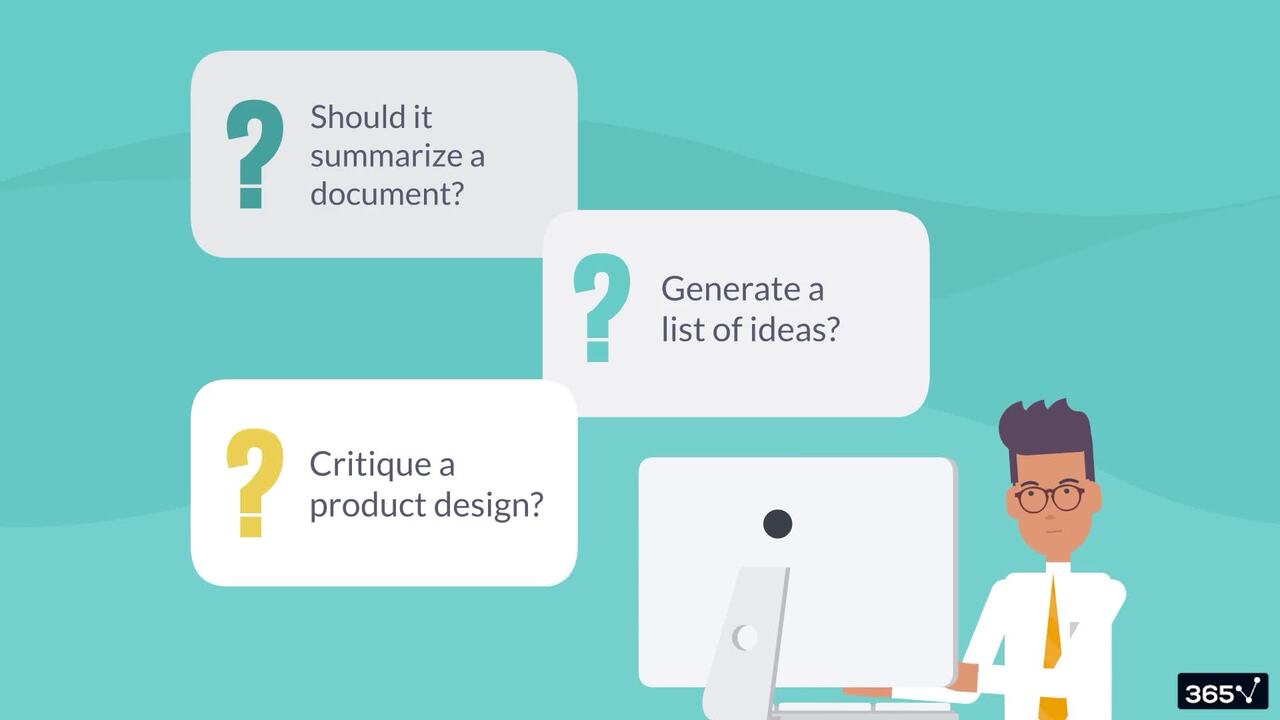
2.5 Prompt Techniques Part 1
3 min
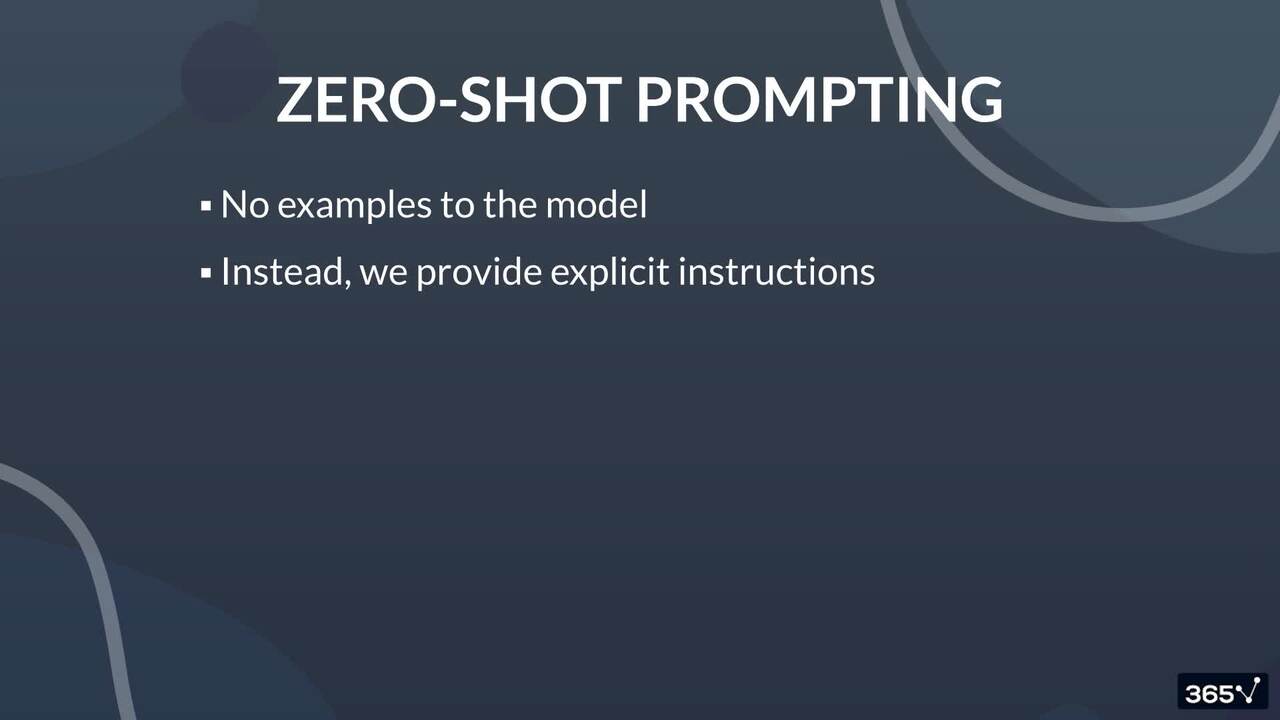
2.6 Prompt Techniques Part 2
4 min
96%
of our students recommend
$29,000
average salary increase
9 in 10
people walk away career-ready
ACCREDITED certificates
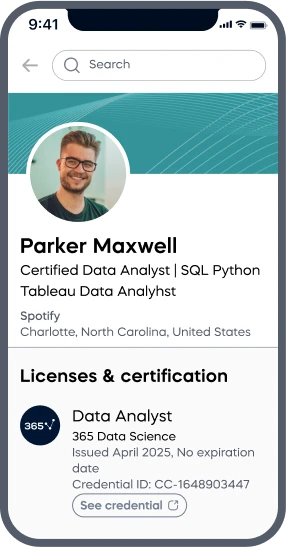
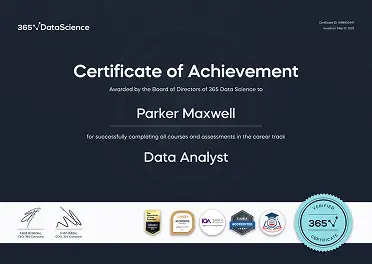
Craft a resume and LinkedIn profile you’re proud of—featuring certificates recognized by leading global
institutions.
Earn CPE-accredited credentials that showcase your dedication, growth, and essential skills—the qualities
employers value most.
Certificates are included with the Self-study learning plan.
How it WORKS
Student REVIEWS