
Yuvraj S. D.
Before 365:
Student Research Assistant
After 365:
Machine Learning Engineer | PERFACCT GmbH
See all reviews
A project-based introduction to Amazon Bedrock, AWS’s managed service for generative AI. Learn to set up access, work with top foundation model providers, stream model outputs, and deploy real-world use cases.






Skill level:
Duration:
CPE credits:
Accredited
Bringing real-world expertise from leading global companies

Bachelor's degree, Economics

Description
This project-based course provides developers with a practical introduction to Amazon Bedrock, AWS’s fully managed service for building and scaling generative AI applications without managing infrastructure or training models. Through a mix of hands-on labs, guided exercises, and mini-projects, you’ll gain the skills needed to securely invoke, integrate, and deploy foundation models into real-world applications.
The course is organized into six chapters, each building toward a final project:
Chapter 1: Introduction to Generative AI
Understand what generative AI is, how Bedrock simplifies model access, and the benefits of using it over traditional ML workflows.
Chapter 2: Deep Dive into Foundation Models in Bedrock
Explore the Bedrock console, compare models from providers like Anthropic, Cohere, Meta, Mistral, Stability AI, and Amazon, and learn how inference parameters (temperature, max tokens, stop sequences) impact results.
Chapter 3: Programmatic Access via AWS CLI
Install and configure the AWS SDK, set up IAM best practices, and write Python scripts to invoke Bedrock models. Learn both synchronous and streaming API calls.
Chapter 4: Building Real Applications with Bedrock
Apply Bedrock in a serverless architecture using AWS Lambda and API Gateway. Build and test REST APIs that leverage Bedrock for text generation in a production-ready environment.
Chapter 5: Managing Costs, Best Practices, and Advanced Topics
Learn about AWS Bedrock pricing, apply best practices to reduce costs, and configure AWS Budgets and alerts to monitor usage effectively. Brief Introduction into advanced use cases, such as fine-tuning models, applying prompt engineering strategies, and integrating Bedrock into larger enterprise workflows.
Throughout the course, you’ll complete hands-on exercises and mini-projects that reinforce concepts step by step. By the end, you’ll have built and deployed a serverless application powered by Amazon Bedrock.
Curriculum
Free lessons

1.1 Introduction to Amazon Bedrock
2 min
1.2 What to Expect and Getting Ready
2 min
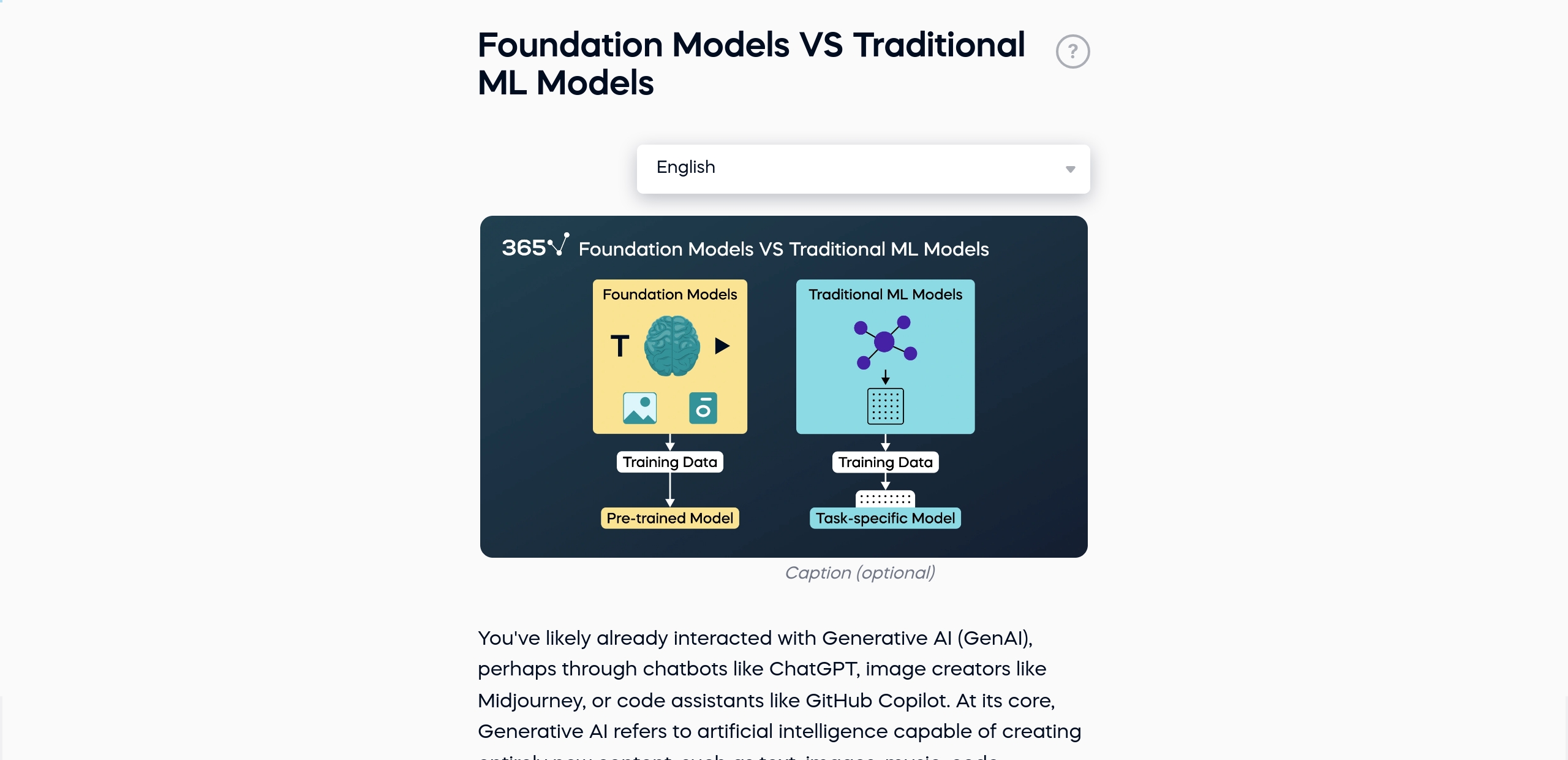
1.3 Foundation Models VS Traditional ML Models
3 min

2.1 Overview of the Bedrock Console
2 min
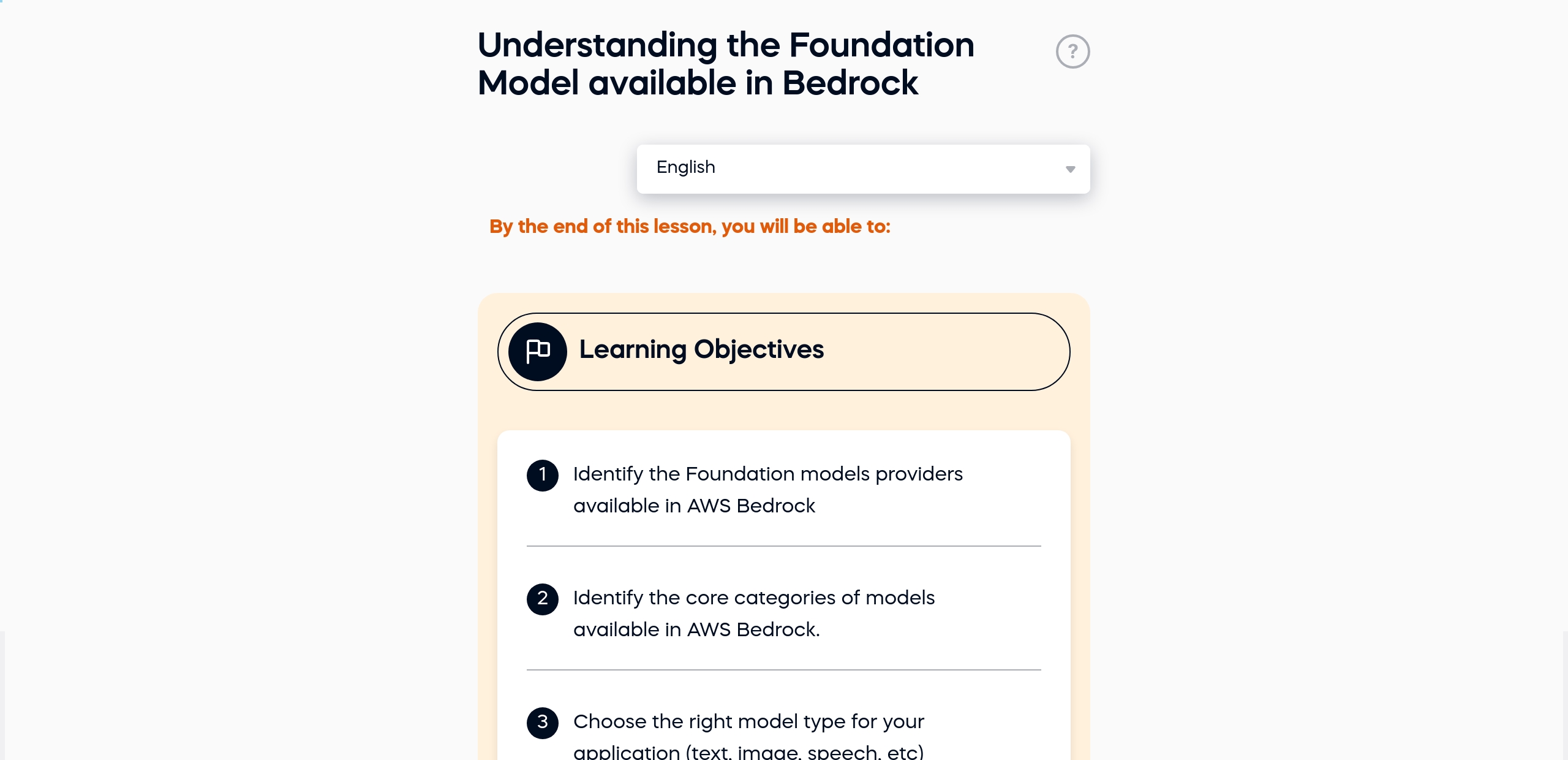
2.2 Understanding the Foundation Model available in Bedrock
5 min
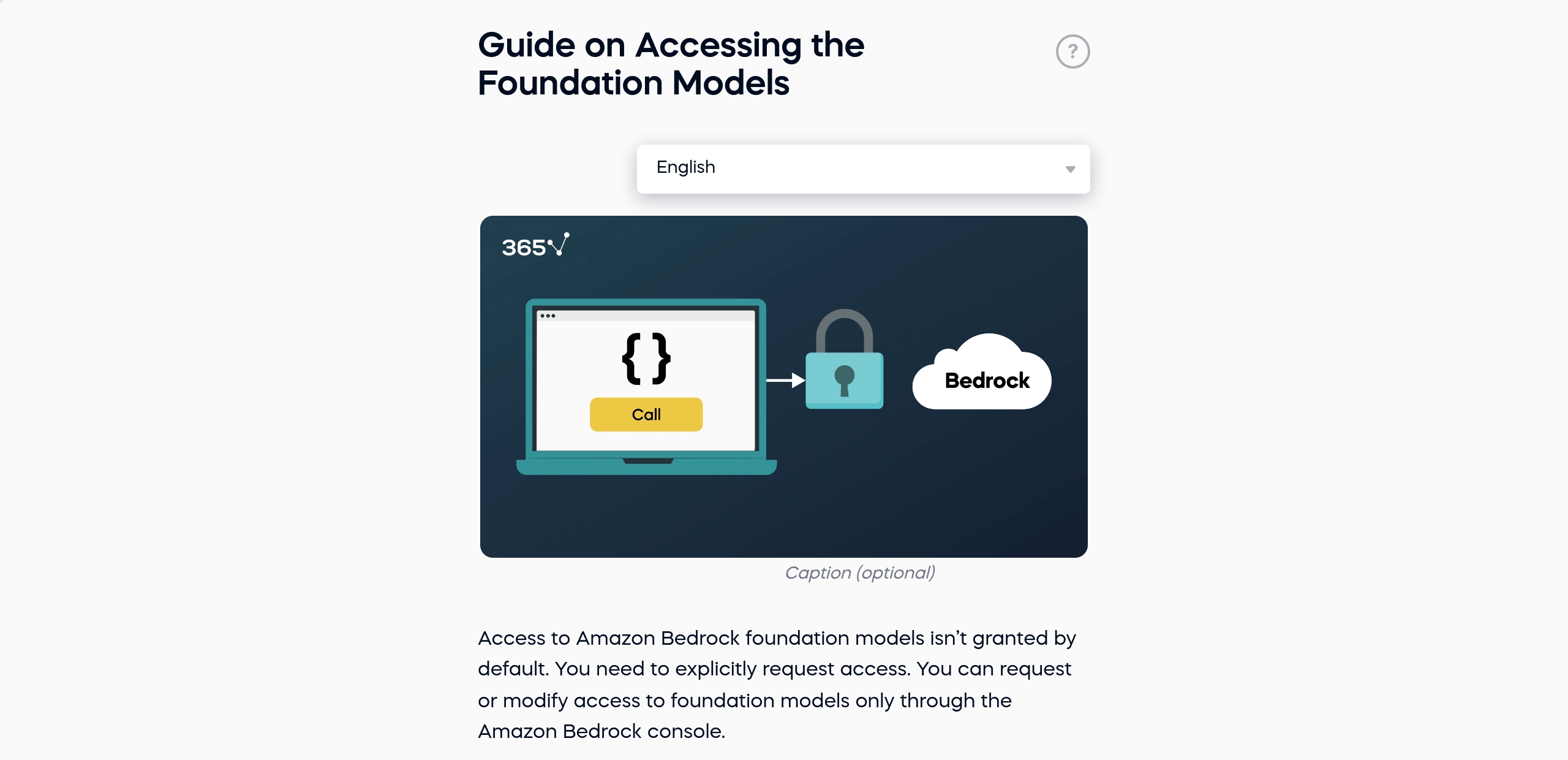
2.3 Guide on Accessing the Foundation Models
3 min
$29,000
average salary increase
94%
of AI and data science graduates
successfully change
#1 most reviewed
ACCREDITED certificates
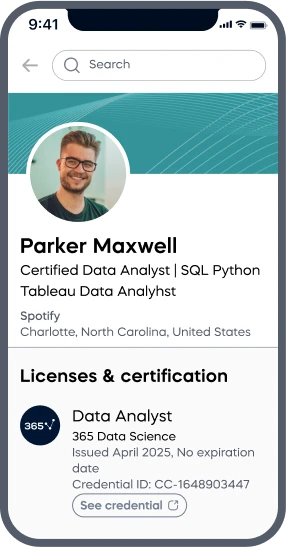
Craft a resume and LinkedIn profile you’re proud of—featuring certificates recognized by leading global
institutions.
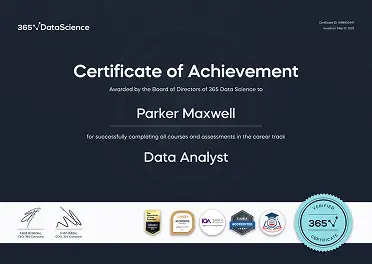
Earn CPE-accredited credentials that showcase your dedication, growth, and essential skills—the qualities
employers value most.
Certificates are included with the Self-study learning plan.
How it WORKS
Student REVIEWS