Online Course trending topic
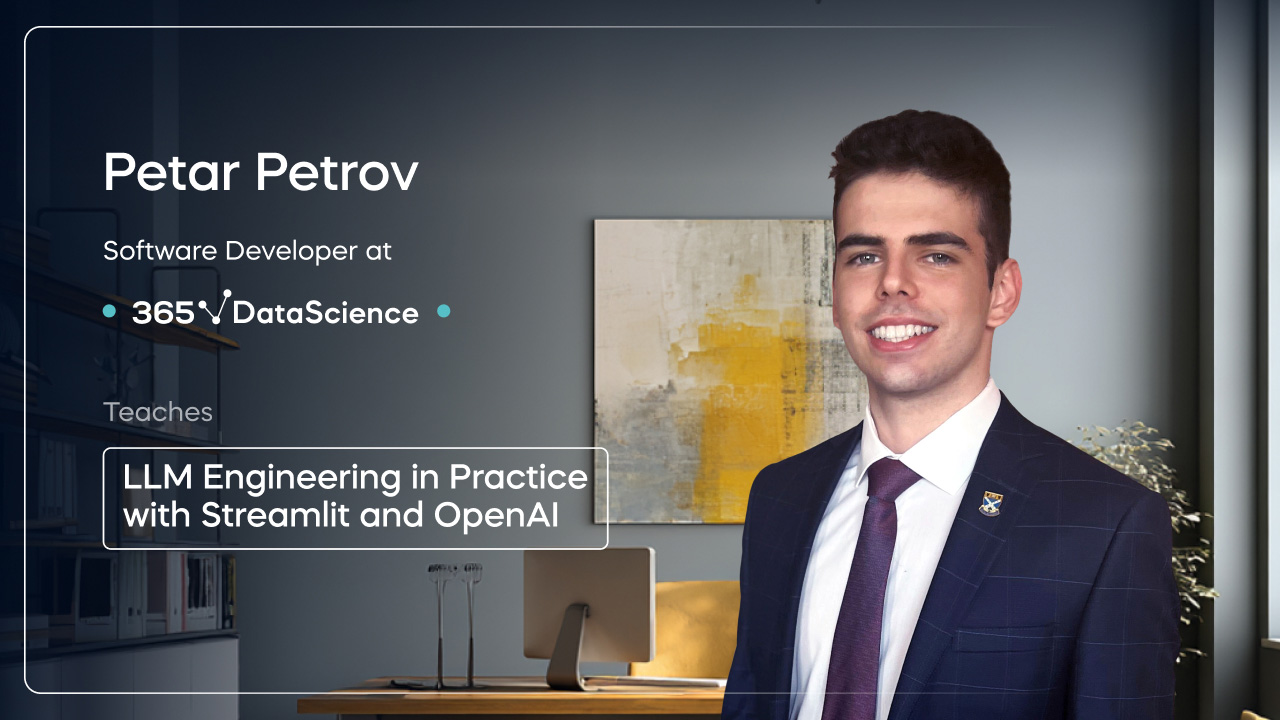
LLM Engineering in Practice with Streamlit and OpenAI

Dive into the world of AI solutions with this hands-on course. Learn how to design, develop, and deploy an interview simulator project using Streamlit, integrating language models, feedback systems, and advanced prompts. Master key concepts in AI, prompt engineering, and app development while solving real-world challenges.

4.8

863 reviews on
1,732 students already enrolled
  • Institute of Analytics
  • The Association of Data Scientists
  • E-Learning Quality Network
  • European Agency for Higher Education and Accreditation
  • Global Association of Online Trainers and Examiners

Skill level:

Advanced

Duration:

4 hours
  • Lessons (3 hours)
  • Practice exams (30 minutes)

CPE credits:

3.5
CPE stands for Continuing Professional Education and represents the mandatory credits a wide range of professionals must earn to maintain their licenses and stay current with regulations and best practices. One CPE credit typically equals 50 minutes of learning. For more details, visit NASBA's official website: www.nasbaregistry.org

Accredited

certificate

What you learn

  • Build interactive web apps using Streamlit and Python.
  • Master prompt engineering for effective AI application design.
  • Understand how to develop AI-powered apps using LLM APIs.
  • Create activity diagrams to plan and structure your app’s architecture.
  • Tackle challenges like prompt injections, hallucinations, and scaling.

Topics & tools

PythonStreamlitTheoryPrompt EngineeringAI EngineeringProgrammingOpenAIAIGit

Your instructor

Course OVERVIEW

Description

CPE Credits: 3.5 Field of Study: Information Technology
Delivery Method: QAS Self Study

Are you ready to dive into the fascinating world of AI-powered applications?

Do you want to solve real-world problems using cutting-edge large language models (LLMs)?

This is the perfect course for you!

This course is your step-by-step guide to designing, developing, and deploying an AI application using Streamlit, Python, and OpenAI models. You’ll not only learn the theory and development process but also gain hands-on experience with a practical, real-world example: ACE Interview, a powerful AI-driven interview application that has already helped thousands of people prepare for their interviews. By exploring the structure of ACE Interview, you’ll see how the concepts taught in this course are applied in practice. Moreover, we’ll share the challenges and mistakes we encountered during its development—and how we overcame them—so you can avoid similar pitfalls in your own projects.

By completing this course, you’ll acquire a versatile and highly practical skill set including:

  • Python Programing with Streamlit – Learn to build interactive, user-friendly web apps using one of the most popular frameworks.
  • Prompt Engineering – Master the art of designing, refining, and testing prompts to maximize the performance of your AI projects.
  • Architecture Design – Learn to create activity diagrams to visually map out your application’s structure, making it easier to plan and communicate your ideas effectively.
  • Utilizing LLMs: Understand how to leverage large language models for different use cases, including the differences between hosting models and using APIs, as well as open-source versus closed-source options.
  • Cost Management: Analyze and predict the cost associated with your AI projects to make informed decisions.

Our course takes you through every stage of the development process:

  • Planning stage: Design the architecture, database and prompts to lay a strong foundation for your project.
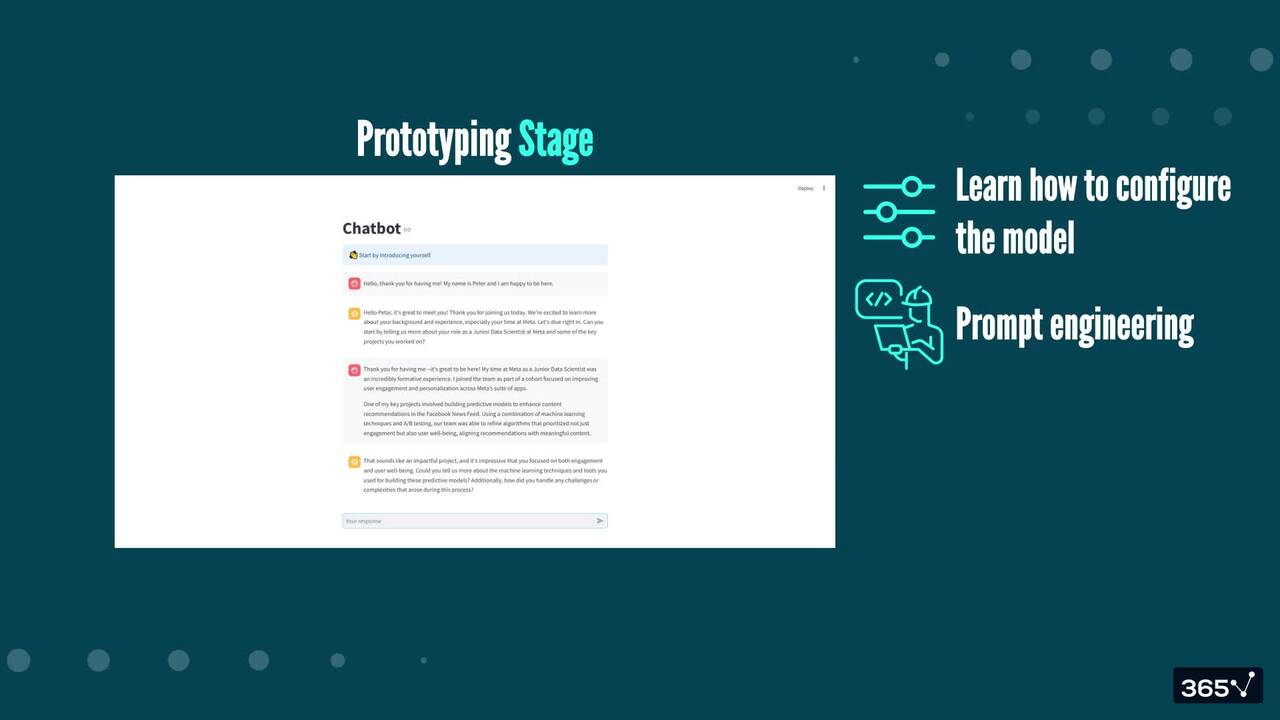
  • Prototype stage: Build a fully functional Streamlit to showcase in your portfolio.
  • Development stage: Explore the real-world challenges you may encounter while working on your project and learn effective strategies to solve them. These include issues like prompt injections, handling hallucinations, scaling your application, optimizing token usage, and managing cost to ensure your project is both efficient and scalable.

By the end of this course, you’ll have more than just a working prototype of an AI interview simulator—you’ll have the knowledge and confidence to create your own AI-powered applications. Whether you’re looking to break into AI development or enhance your existing skill set, this course is designed to help you succeed.

Take the next step in your AI journey—enroll today!

Prerequisites

  • Python (version 3.8 or later), Streamlit library, OpenAI API key, and a code editor or IDE (e.g., VS Code or Jupyter Notebook)
  • Intermediate Python skills are required. Familiarity with APIs.
  • Familiarity with basic statistics and linear algebra is helpful but not mandatory.

Curriculum

45 lessons 2 exams
  • 1. Introduction to the Course
    11 min

    This section sets the stage for your journey into creating cutting-edge AI-driven projects. Learn about the ACE Interview tool as a real-world example of successful AI integration and understand the skills you’ll gain by completing this course.

    11 min

    This section sets the stage for your journey into creating cutting-edge AI-driven projects. Learn about the ACE Interview tool as a real-world example of successful AI integration and understand the skills you’ll gain by completing this course.

    Introduction to the Course Free
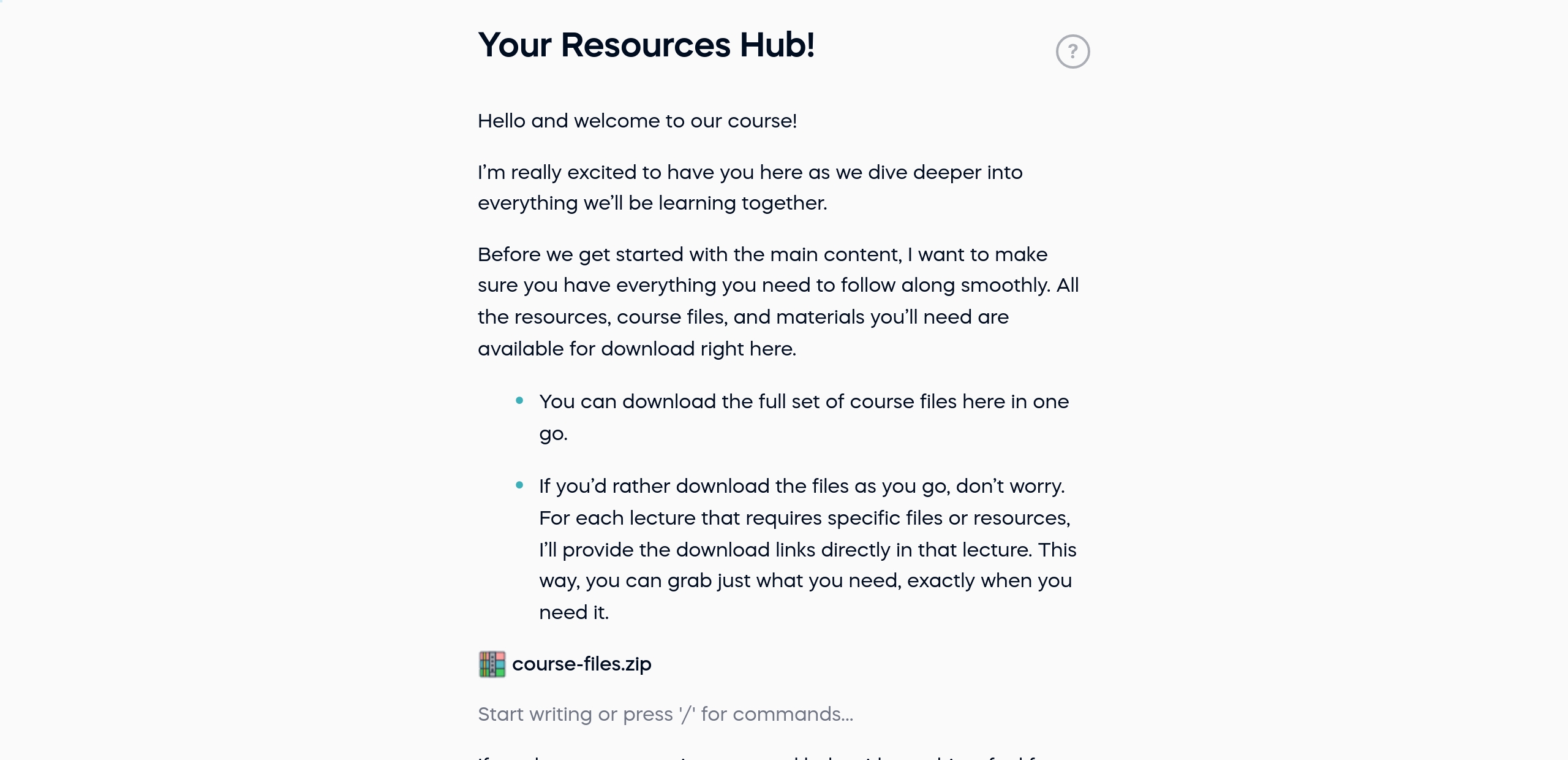
    Your Resources Hub! Free
    What does the course cover? Free
    The Interview Tool’s Specifics Free
  • 2. Planning stage
    44 min

    Lay the groundwork for your AI-powered application by mastering the planning process. In this section, you’ll explore key decisions like hosting LLMs vs. using APIs, open-source vs. closed-source models, and cost analysis. Additionally, you’ll learn how to design activity diagrams, database schemas, and prompts to ensure a strong foundation for your project.

    44 min

    Lay the groundwork for your AI-powered application by mastering the planning process. In this section, you’ll explore key decisions like hosting LLMs vs. using APIs, open-source vs. closed-source models, and cost analysis. Additionally, you’ll learn how to design activity diagrams, database schemas, and prompts to ensure a strong foundation for your project.

    Hosting an LLM vs Using an API Free
    Open-Source vs Closed-Source Models Free
    Tokens
    Pricing: Hosting an LLM vs Pay-by-Token
    Initial Prompt Development: Part 1
    Initial Prompt Development: Part 2
    Database Design and Schema Development
    What Is an Activity Diagram
    Creating an Activity Diagram
    Concluding the Planning Stage
  • 3. Crafting and Testing AI Prompts
    24 min

    You’ll explore the OpenAI Playground to experiment with LLM capabilities, learn how to optimize parameters like temperature and top-p for different use cases, and master prompt engineering for software development. Finally, you’ll test and validate your prompt templates to ensure reliable and accurate AI performance.

    24 min

    You’ll explore the OpenAI Playground to experiment with LLM capabilities, learn how to optimize parameters like temperature and top-p for different use cases, and master prompt engineering for software development. Finally, you’ll test and validate your prompt templates to ensure reliable and accurate AI performance.

    Adding Funds to Your OpenAI API Account
    The OpenAI Playground
    Optimizing Temperature and Top P for Different Use Cases
    Prompt Engineering for Software Development
    How to Test Out a Prompt Template
    Practice exam
  • 4. Getting to Know Streamlit
    25 min

    This section introduces you to Streamlit, a powerful framework for building interactive web applications with Python. You’ll learn how to set up your environment, explore Streamlit’s pros and cons, and work with key elements like titles, text methods, chat components, and session state. By the end, you’ll have a strong foundation in Streamlit to develop user-friendly applications.

    25 min

    This section introduces you to Streamlit, a powerful framework for building interactive web applications with Python. You’ll learn how to set up your environment, explore Streamlit’s pros and cons, and work with key elements like titles, text methods, chat components, and session state. By the end, you’ll have a strong foundation in Streamlit to develop user-friendly applications.

    Setting up environment
    Streamlit's Pros and Cons
    Streamlit Elements: Titles, Headers, and Formatting
    Streamlit Elements: Text Methods
    Streamlit Elements: Chat Elements
    Session State
  • 5. Developing the prototype
    46 min

    In this section, you’ll bring an AI application to life by building a fully functional prototype of an interview app. Learn how to initialize an OpenAI client, implement chatbot functionality, and enhance interactions using session state. You’ll also dive into adding feedback features, refining your project, and deploying your application to GitHub and Streamlit, making it ready for real-world use.

    46 min

    In this section, you’ll bring an AI application to life by building a fully functional prototype of an interview app. Learn how to initialize an OpenAI client, implement chatbot functionality, and enhance interactions using session state. You’ll also dive into adding feedback features, refining your project, and deploying your application to GitHub and Streamlit, making it ready for real-world use.

    Initializing an OpenAI Client
    Implementing the Chat Functionality
    Building the Setup Page
    Enhancing Chatbot Interaction with Session State
    Refining Our Project
    Implementing Feedback Functionality: Part 1
     Implementing Feedback Functionality: Part 2
    Uploading Your Project in GitHub
    Deploying Your Streamlit App
  • 6. Solving Real-World AI Challenges
    49 min
    49 min
    Introduction
    Application Structure
    Prompt Structure of HR Interviews
    Prompt Structure of Technical Interview
    Additional Protection from Errors
    Hallucinations
    Prompt Injection
    Counting Tokens
    Cost Reduction
    Scaling
    Conclusion
  • 7. Course exam
    40 min
    40 min
    Course exam

Free lessons

Introduction to the Course

1.1 Introduction to the Course

3 min

What does the course cover?

1.3 What does the course cover?

2 min

The Interview Tool’s Specifics

1.4 The Interview Tool’s Specifics

5 min
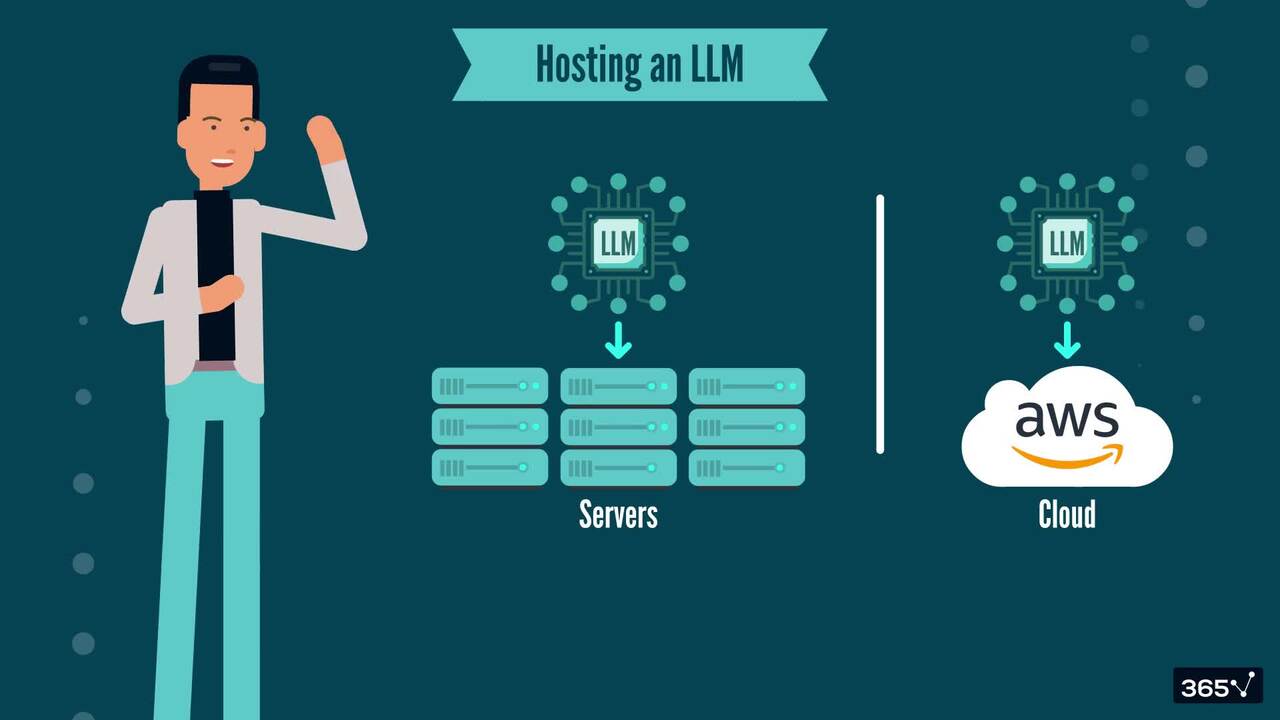
Hosting an LLM vs Using an API

2.1 Hosting an LLM vs Using an API

4 min

Open-Source vs Closed-Source Models

2.2 Open-Source vs Closed-Source Models

7 min

Start for free

96%

of our students recommend

365 Data Science.

$29,000

average salary increase

after moving to an AI and data science career

9 in 10

people walk away career-ready

with practical data and AI skills.

ACCREDITED certificates

Craft a resume and LinkedIn profile you’re proud of—featuring certificates recognized by leading global institutions.

Earn CPE-accredited credentials that showcase your dedication, growth, and essential skills—the qualities employers value most.

  • Institute of Analytics
  • The Association of Data Scientists
  • E-Learning Quality Network
  • European Agency for Higher Education and Accreditation
  • Global Association of Online Trainers and Examiners

Certificates are included with the Self-study learning plan.
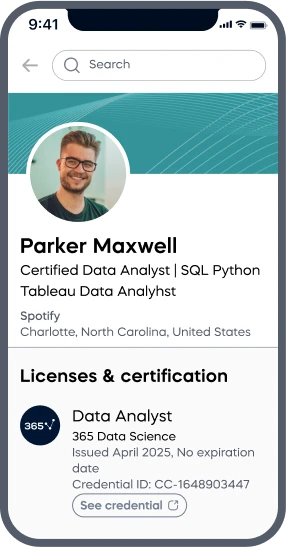
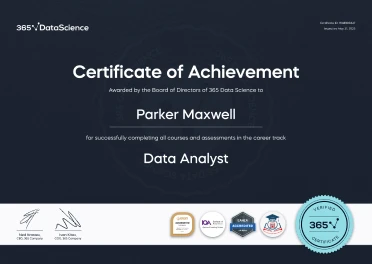
A LinkedIn profile mockup on a mobile screen showing Parker Maxwell, a Certified Data Analyst, with credentials from 365 Data Science listed under Licenses & Certification. A 365 Data Science Certificate of Achievement awarded to Parker Maxwell for completing the Data Analyst career track, featuring accreditation badges and a gold “Verified Certificate” seal.

How it WORKS

  • Lessons
  • Exercises
  • Projects
  • Practice exams
  • AI mock interviews

Lessons

Learn through short, simple lessons—no prior experience in AI or data science needed.

Try for free

Exercises

Reinforce your learning with mini recaps, hands-on coding, flashcards, fill-in-the-blank activities, and other engaging exercises.

Try for free

Projects

Tackle real-world AI and data science projects—just like those faced by industry professionals every day.

Try for free

Practice exams

Track your progress and solidify your knowledge with regular practice exams.

Try for free

AI mock interviews

Prep for interviews with real-world tasks, popular questions, and real-time feedback.

Try for free

Student REVIEWS

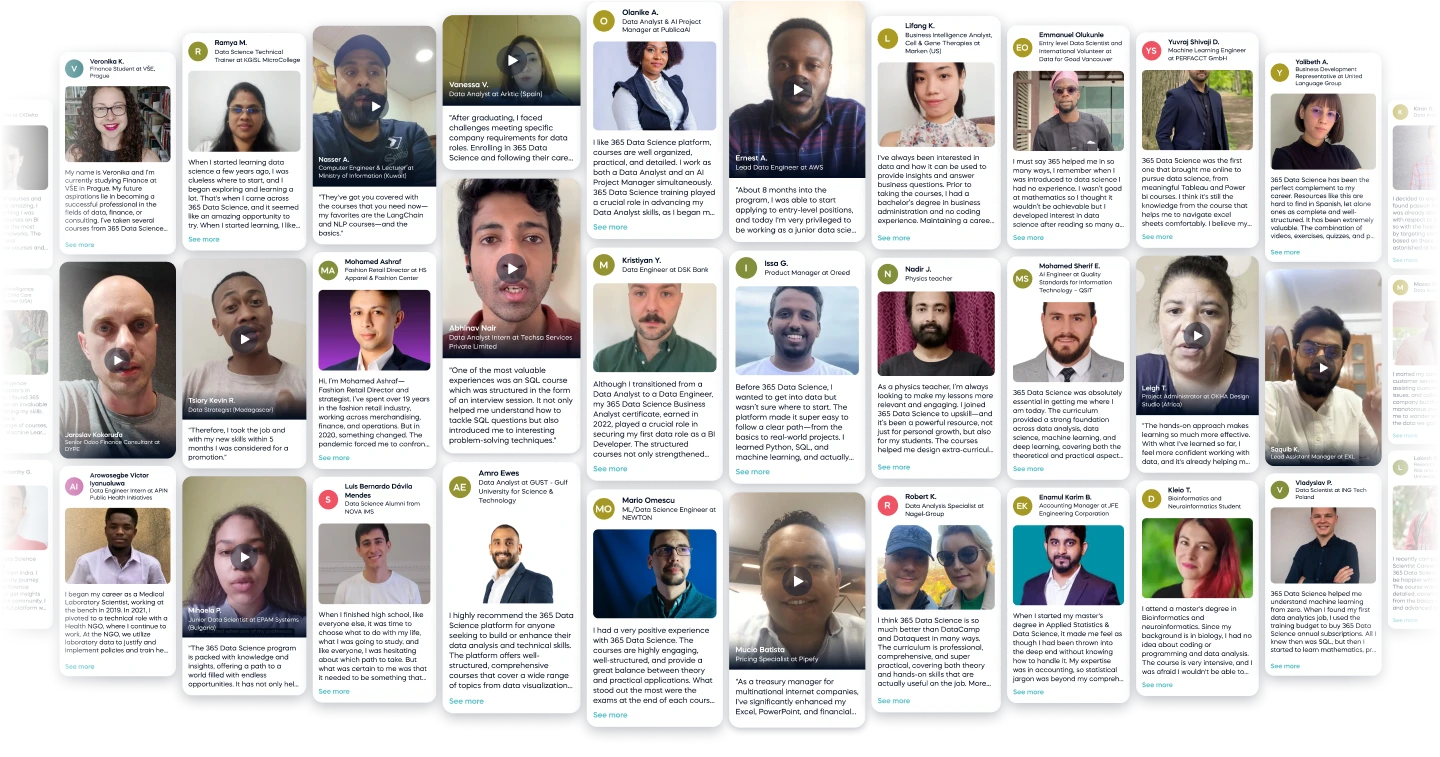
A collage of student testimonials from 365 Data Science learners, featuring profile photos, names, job titles, and quotes or video play icons, showcasing diverse backgrounds and successful career transitions into AI and data science roles.