Online Course
The Complete Data Visualization Course with Python, R, Tableau, and Excel

Master the art of creating compelling data visualizations: learn how to create professional charts in Python, R, Tableau, and Excel


4.8

862 reviews on
31,564 students already enrolled
  • Institute of Analytics
  • The Association of Data Scientists
  • E-Learning Quality Network
  • European Agency for Higher Education and Accreditation
  • Global Association of Online Trainers and Examiners

Skill level:

Basic

Duration:

10 hours
  • Lessons (9 hours)
  • Practice exams (38 minutes)
  • Projects (5 hours)

CPE credits:

12.5
CPE stands for Continuing Professional Education and represents the mandatory credits a wide range of professionals must earn to maintain their licenses and stay current with regulations and best practices. One CPE credit typically equals 50 minutes of learning. For more details, visit NASBA's official website: www.nasbaregistry.org

Accredited

certificate

What you learn

  • Gain a solid understanding of data visualization fundamentals and theory
  • Learn how to create professional and aesthetically pleasing charts in Python, R, Tableau, and Excel

  • Understand how to select the right type of chart depending on the problem at hand
  • Develop expertise in interpreting data and communicating your findings through data visualizations
  • Boost your resume and career prospects with highly sought-after data visualization skills
  • Enhance your project portfolio with compelling data visualizations and impress recruiters and hiring managers

Topics & tools

Data VisualizationDashboardPythonTableauRExcelTheory

Your instructor

Course OVERVIEW

Description

CPE Credits: 12.5 Field of Study: Specialized Knowledge
Delivery Method: QAS Self Study
The Data Visualization course is designed for everyone looking to deepen their understanding of creating meaningful and compelling visualizations. Whether you’re coming from a business or data science-related field, knowledge in data visualization is both important and advantageous. That’s precisely why this course is centered not in just one, but four different environments: Excel, Tableau, Python, and R. Each section is dedicated to a specific type of chart – bar charts, pie charts, area charts, line charts and many more. In addition, there are lectures that specifically explore what to avoid when creating a certain graphic. You can stick with your preferred environment and follow each section. Or you could master all four environments and add indispensable skills to your data visualization toolset.

Prerequisites

  • Python (any recent version, such as Python 3.8 or later) and a code editor or IDE (e.g., Spyder, VS Code, or Jupyter Notebook)
  • Tableau Desktop or Tableau Public
  • Completion of an introductory Python course is recommended. Completion of an introductory Tableau course is recommended.

Curriculum

108 lessons 6 exercises 1 project 5 exams
  • 1. Introduction
    27 min
    In this section, you will learn about the importance of data visualization, as well as some theoretical foundations for creating charts. We introduce popular frameworks for choosing an appropriate visualization for your data, discuss color theory, and show different approaches to selecting the colors for your graphic.
    27 min
    In this section, you will learn about the importance of data visualization, as well as some theoretical foundations for creating charts. We introduce popular frameworks for choosing an appropriate visualization for your data, discuss color theory, and show different approaches to selecting the colors for your graphic.
    What does the Course Cover Free
    Why Learn Data Visualization Free
    Exercise Free
    How to Choose the Right Visualization - Popular Approaches and Frameworks Free
    Exercise Free
    Color Theory and Colors Free
    Exercise Free
  • 2. Setting Up the Environments
    39 min
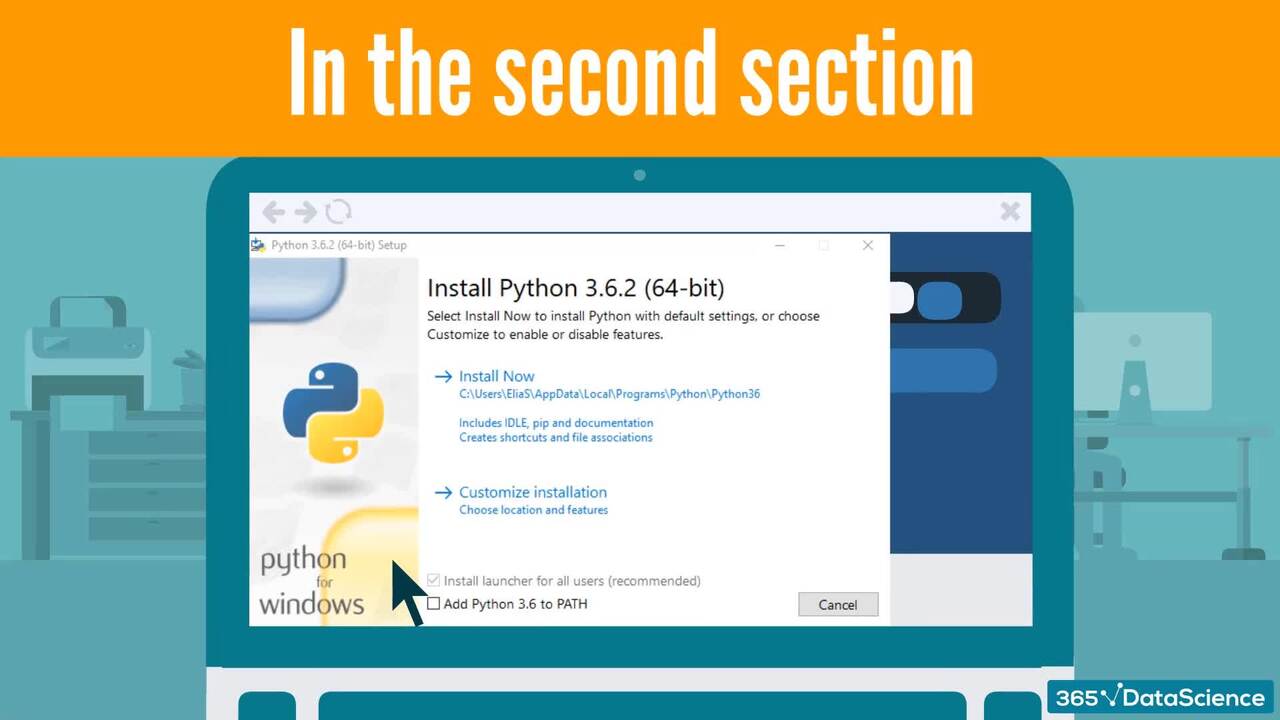
    Here, we set up different environments for the course. First, we will guide you through the installation process for Tableau. Then, you will get familiar with the step-by-step process of installing Anaconda and Jupyter and an introductory tour of the Jupyter Dashboard for Python. Finally, you’ll learn how to install R and R studio, explore the latter’s main features and learn how to customize its appearance.
    39 min
    Here, we set up different environments for the course. First, we will guide you through the installation process for Tableau. Then, you will get familiar with the step-by-step process of installing Anaconda and Jupyter and an introductory tour of the Jupyter Dashboard for Python. Finally, you’ll learn how to install R and R studio, explore the latter’s main features and learn how to customize its appearance.
    Setting Up The Environments - Do Not Skip, Please! Free
    Tableau - Downloading Tableau Free
    Python - Why Python and Why Jupyter Free
    Python - Installing Anaconda Free
    Python - Jupyter Dashboard - Part 1 Free
    Python - Jupyter Dashboard - Part 2 Free
    Python - Installing the Seaborn Package Free
    R - Installing R and RStudio Free
    R - Quick Guide to RStudio Free
    R - Changing the Appearance in Rstudio Free
    R - Installing Packages and Using Libraries Free
  • 3. Bar Chart
    52 min
    We dive straight into visualization with the bar chart! We will take a look at a data set for second-hand car advertisements and use it to create a bar chart in Excel, Tableau, Python, and R. We’ll also lift the curtain on the key elements to making an outstanding bar chart.
    52 min
    We dive straight into visualization with the bar chart! We will take a look at a data set for second-hand car advertisements and use it to create a bar chart in Excel, Tableau, Python, and R. We’ll also lift the curtain on the key elements to making an outstanding bar chart.
    Bar Chart - Introduction - General Theory and Dataset Free
    Bar Chart - Excel - How to Create a Bar Chart Free
    Bar Chart - Tableau - How to Create a Bar Chart Free
    Bar Chart - Python - How to Create a Bar Chart Free
    Bar Chart - R - How to Create a Bar Chart Free
    Bar Chart - Interpretation & What Makes a Good Bar Chart Free
    Bar Chart Homework Free
    Practice exam Free
  • 4. Pie Chart
    41 min
    In this section, we explore pie charts, which, despite criticism, are among the most popular visualizations. You will learn how to create a pie chart of engine fuel types in Excel, Tableau, Python, and R, and discover what to avoid when making a pie chart.
    41 min
    In this section, we explore pie charts, which, despite criticism, are among the most popular visualizations. You will learn how to create a pie chart of engine fuel types in Excel, Tableau, Python, and R, and discover what to avoid when making a pie chart.
    Pie Chart - Introduction - General Theory and Dataset
    Pie Chart - Excel - How to Create a Pie Chart
    Pie Chart - Tableau - How to Create a Pie Chart
    Pie Chart - Python - How to Create a Pie Chart
    Pie Chart - R - How to Create a Pie Chart
    Pie Chart - Interpretation
    Pie Chart - Why You Should Never Use a Pie Chart
    Practice exam
    Exercise
  • 5. Stacked Area Chart
    43 min
    Here, you will create your own stacked area chart. Once again, our data follows the automobile theme with one additional element - time series, as the chart follows the popularity of different engine fuel types across the years.
    43 min
    Here, you will create your own stacked area chart. Once again, our data follows the automobile theme with one additional element - time series, as the chart follows the popularity of different engine fuel types across the years.
    Stacked Area Chart - Introduction - General Theory and Dataset
    Stacked Area Chart - Excel - How to Create a Stacked Area Chart
    Stacked Area Chart - Tableau - How to Create a Stacked Area Chart
    Stacked Area Chart - Python - How to Create a Stacked Area Chart
    Stacked Area Chart - R - How to Create a Stacked Area Chart
    Stacked Area Chart - Interpretation
    Stacked Area Chart - What Makes a Good Stacked Area Chart
    Stacked Area Chart Homework
    Practice exam
  • 6. Line Chart
    43 min
    In this section, we continue discussing time series data. We will turn our attention to the financial world and explore the stock market returns for two major indices: S&P 500 and FTSE 100. In conclusion, you’ll find out the advantages of using a line chart and what you should be wary of when creating one.
    43 min
    In this section, we continue discussing time series data. We will turn our attention to the financial world and explore the stock market returns for two major indices: S&P 500 and FTSE 100. In conclusion, you’ll find out the advantages of using a line chart and what you should be wary of when creating one.
    Line Chart - Introduction - General Theory and Dataset
    Line Chart - Excel - How to Create a Line Chart
    Line Chart - Tableau - How to Create a Line Chart
    Line Chart - Python - How to Create a Line Chart
    Line Chart - R - How to Create a Line Chart
    Line Chart - Interpretation
    Line Chart - What Makes a Good Line Chart
    Line Chart Homework
  • 7. Histogram
    44 min
    This section centers around the histogram – an integral part of the data analysis process. We will create a histogram of the price of California's real estate. Here, we devote an extra lecture and explore how to choose the right number of bins for your histogram.
    44 min
    This section centers around the histogram – an integral part of the data analysis process. We will create a histogram of the price of California's real estate. Here, we devote an extra lecture and explore how to choose the right number of bins for your histogram.
    Histogram - Introduction - General Theory and Dataset
    Histogram - Excel - How to Create a Histogram Chart
    Histogram - Tableau - How to Create a Histogram
    Histogram - Python - How to Create a Histogram
    Histogram - R - How to Create a Histogram
    Histogram - Interpretation
    Histogram - How to Choose the Right Number of Bins
    Histogram - What Makes a Good Histogram
    Histogram Homework
  • 8. Scatter Plot
    38 min
    In this section, you will learn how to create a scatter plot of real estate data. First, we’ll observe the relationship between California's real estate pricing and the area of properties. Then, you’ll make a scatter plot in Excel, Tableau Python, and R and finish the section with valuable tips on what makes a good scatter plot.
    38 min
    In this section, you will learn how to create a scatter plot of real estate data. First, we’ll observe the relationship between California's real estate pricing and the area of properties. Then, you’ll make a scatter plot in Excel, Tableau Python, and R and finish the section with valuable tips on what makes a good scatter plot.
    Scatter Plot - Introduction - General Theory and Dataset
    Scatter Plot - Excel - How to Create a Scatter Plot
    Scatter Plot - Tableau - How to Create a Scatter Plot
    Scatter Plot - Python - How to Create a Scatter Plot
    Scatter Plot - R - How to Create a Scatter Plot
    Scatter Plot - Interpretation
    Scatter Plot - What Makes a Good Scatter Plot
    Scatter Plot Homework
  • 9. Combo Plots Part 1 - Regression Plot
    35 min
    We’ll explore a combination chart of a scatter and a regression line by using marketing data and a regression line to quantify the relationship between a company’s advertising budget and its sales. You will learn how to create a regression scatter in Excel, Tableau, Python, and R, and discover different types of relationships between features in data. the model residuals can be beneficial in model selection.
    35 min
    We’ll explore a combination chart of a scatter and a regression line by using marketing data and a regression line to quantify the relationship between a company’s advertising budget and its sales. You will learn how to create a regression scatter in Excel, Tableau, Python, and R, and discover different types of relationships between features in data. the model residuals can be beneficial in model selection.
    Regression Plot - Introduction - General Theory and Dataset
    Regression Plot - Excel - How to Create a Regression Plot
    Regression Plot - Tableau - How to Create a Regression Plot
    Regression Plot - Python - How to Create a Regression Plot
    Regression Plot - R - How to Create a Regression Plot
    Regression Plot - Interpretation
    Regression Plot - What Makes a Good Regression Plot
    Regression Plot Homework
  • 10. Combo Plots Part 2 - Bar and Line Chart
    37 min
    In this section, we’ll create a combination chart with a dual-axis. Our data centers around data science and Python programmers and comes from the annual KD Nuggets survey. We’ll get a chance to delve deeper into each of the four software, as we learn how to create combination charts.
    37 min
    In this section, we’ll create a combination chart with a dual-axis. Our data centers around data science and Python programmers and comes from the annual KD Nuggets survey. We’ll get a chance to delve deeper into each of the four software, as we learn how to create combination charts.
    Bar and Line Chart - Introduction - General Theory and Dataset
    Bar and Line Chart - Excel - How to Create a Bar and Line Chart
    Bar and Line Chart - Tableau - How to Create a Bar and Line Chart
    Bar and Line Chart - Python - How to Create a Bar and Line Chart
    Bar and Line Chart - R - How to Create a Bar and Line Chart
    Bar and Line Chart - Interpretation
    Bar and Line Chart - What Makes a Good Combination Chart
    Bar and Line Chart Homework
    Practice exam
  • 11. Advanced Topics - Dashboard in Excel
    88 min
    We’ll work on real-life data and create a dashboard in Excel. Our dashboard will center on creating a report for a large company operating in the FMCG sector. The star of the report will be the two custom filters, which will slice the data based on the period we’re interested in.
    88 min
    We’ll work on real-life data and create a dashboard in Excel. Our dashboard will center on creating a report for a large company operating in the FMCG sector. The star of the report will be the two custom filters, which will slice the data based on the period we’re interested in.
    Dashboard in Excel - Introduction
    Dashboard in Excel- Getting to Know the Data Set
    Dashboard in Excel- Creating the Design for our Dashboard
    Dashboard in Excel– Creating a Drop-down List and Radio Buttons in Excel
    Dashboard in Excel – Using the Developer Tab and Creating Radio Buttons in Excel
    Dashboard in Excel – Including Additional Features to the Data Set
    Dashboard in Excel - Pivot Tables
    Dashboard in Excel - Tables – Creating LTM and YTD References in Excel
    Dashboard in Excel - Tables – Creating Month, Year and Selected Dates Fields in Excel
    Dashboard in Excel – Tables -Calculating Net Sales
    Dashboard in Excel – Tables -Calculating GP% and Distribution Costs
    Dashboard in Excel - Tables – Volume by Size
    Dashboard in Excel – Charts - Bar and Line Combination Chart
    Dashboard in Excel Homework
    Dashboard in Excel - Charts – Clustered Bar Chart I
    Dashboard in Excel - Charts – Clustered Bar Chart II
    Dashboard in Excel – Adding KPIs and a Slicer to the Dashboard
    Dashboard in Excel - Customizing the Appearance of the Dashboard
    Dashboard in Excel - Customizing the Appearance of the Slicer
    Dashboard in Excel - Interpretation
  • 12. Advanced Topics - Dashboard in Tableau
    40 min
    In this section, we’ll rely on Tableau’s capabilities to create a dynamic report for a company based on real-world data. Our dashboard will include a custom time filter, as well as a brand filter and we’ll even devise our very own custom design template for the dashboard.
    40 min
    In this section, we’ll rely on Tableau’s capabilities to create a dynamic report for a company based on real-world data. Our dashboard will include a custom time filter, as well as a brand filter and we’ll even devise our very own custom design template for the dashboard.
    Dashboard in Tableau - Introduction
    Dashboard in Tableau - Loading the Data and Preparing the Sheets for the Tableau Dashboard
    Dashboard in Tableau - Bar and Line Combination Chart
    Dashboard in Tableau - Horizontal Bars Chart I
    Dashboard in Tableau - Horizontal Bars Chart II
    Dashboard in Tableau - Adding KPIs to the Tableau Dashboard
    Dashboard in Tableau - Creating the Tableau Dashboard and Adding a Brand Filter
    Dashboard in Tableau - Incorporating a Date Filter into the Dashboard
    Dashboard in Tableau - Styling the Tableau Dashboard
    Dashboard in Tableau - Interpretation
  • 13. Course project and exam
    345 min
    345 min
    Student Onboarding Analysis in Tableau Project
    Course exam

Free lessons

What does the Course Cover

1.1 What does the Course Cover

5 min

Why Learn Data Visualization

1.2 Why Learn Data Visualization

6 min
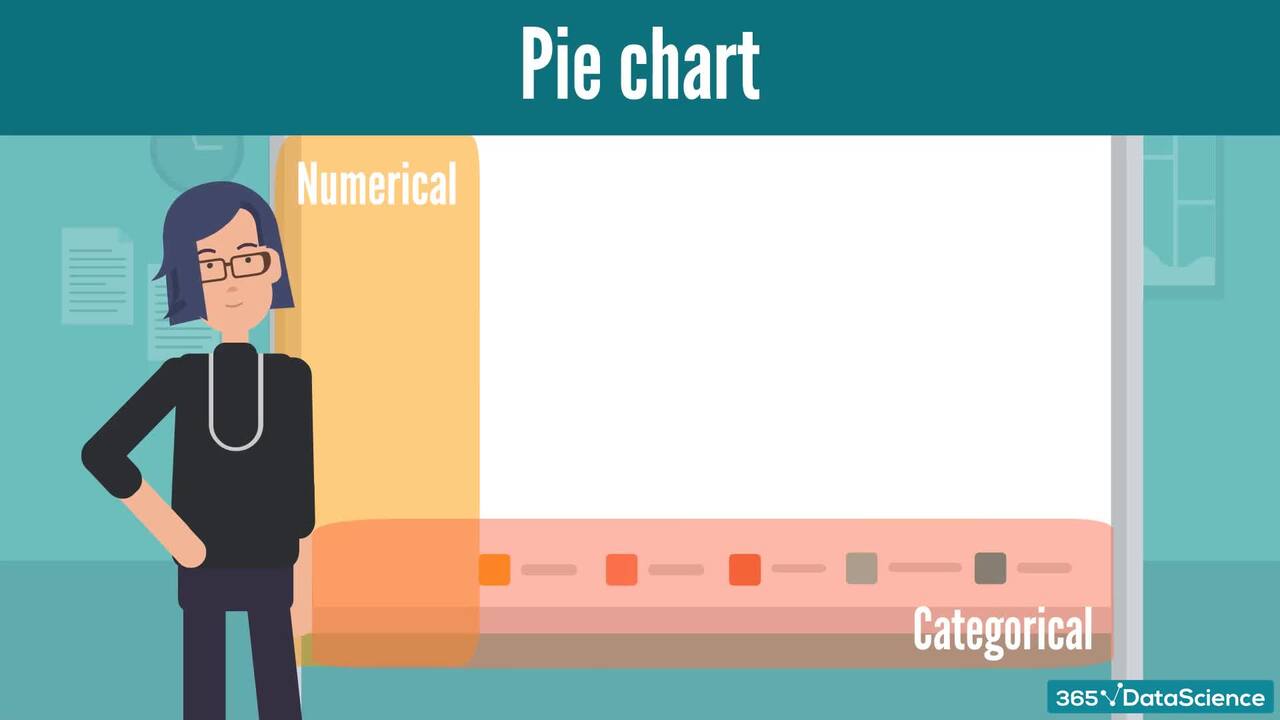
How to Choose the Right Visualization - Popular Approaches and Frameworks

1.4 How to Choose the Right Visualization - Popular Approaches and Frameworks

7 min
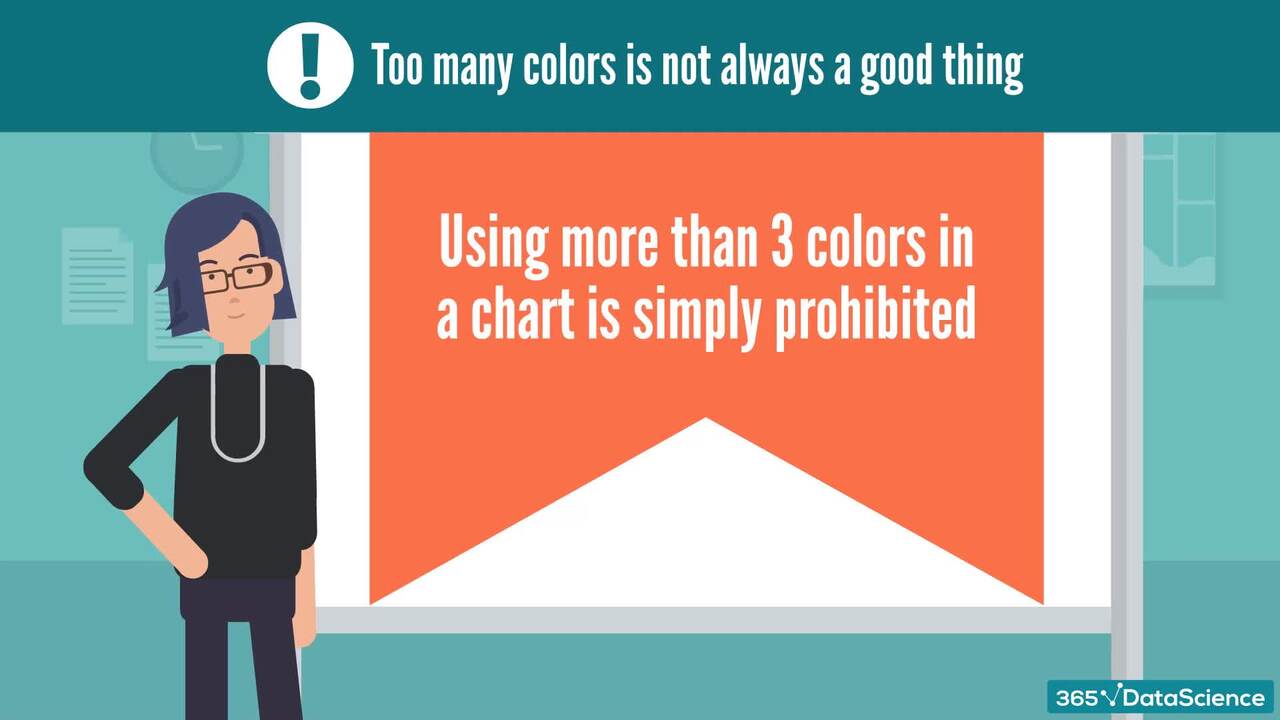
Color Theory and Colors

1.6 Color Theory and Colors

9 min

Setting Up The Environments - Do Not Skip, Please!

2.1 Setting Up The Environments - Do Not Skip, Please!

1 min
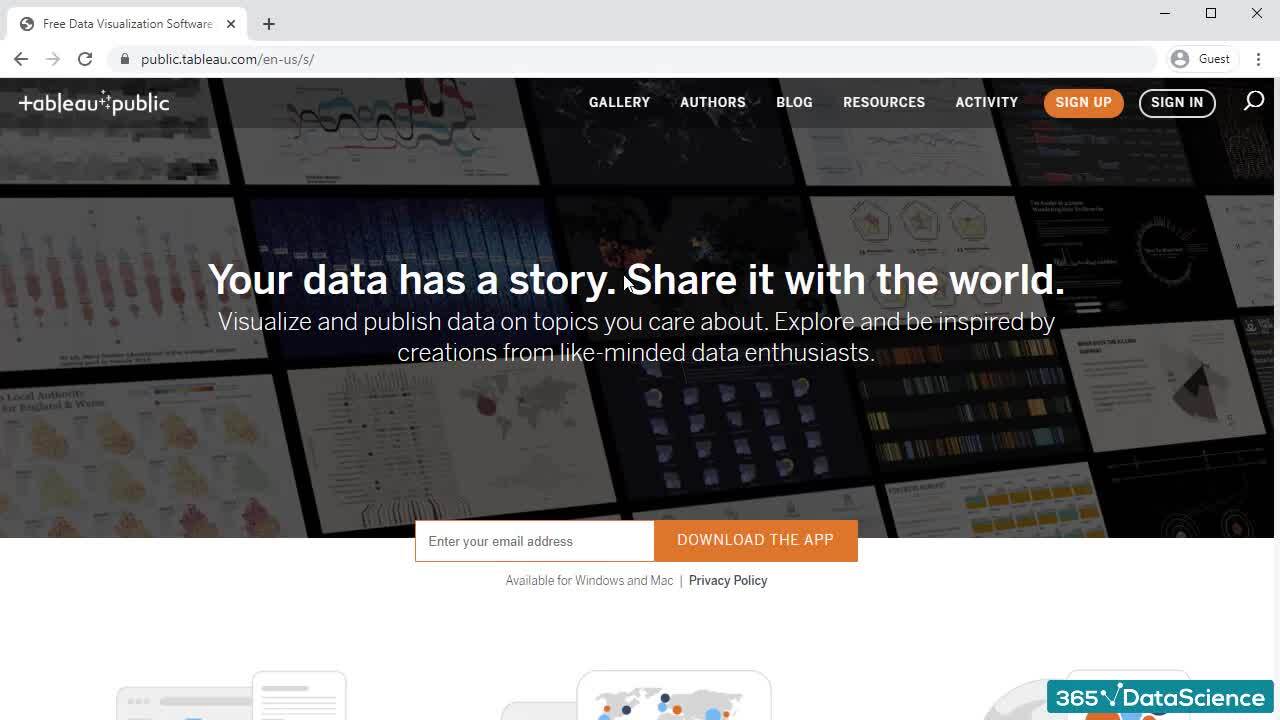
Tableau - Downloading Tableau

2.2 Tableau - Downloading Tableau

2 min

Start for free

96%

of our students recommend

365 Data Science.

4.8

Based on 862 reviews

#1 most reviewed

AI and data learning platform on Trustpilot.

94%

of AI and data science graduates

successfully change

or advance their careers.

ACCREDITED certificates

Craft a resume and LinkedIn profile you’re proud of—featuring certificates recognized by leading global institutions.

Earn CPE-accredited credentials that showcase your dedication, growth, and essential skills—the qualities employers value most.

  • Institute of Analytics
  • The Association of Data Scientists
  • E-Learning Quality Network
  • European Agency for Higher Education and Accreditation
  • Global Association of Online Trainers and Examiners

Certificates are included with the Self-study learning plan.
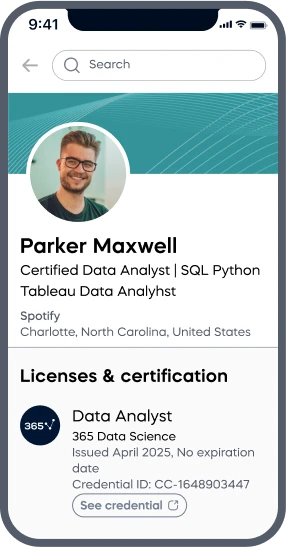
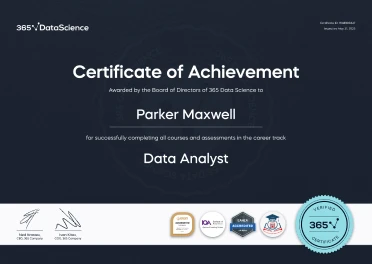
A LinkedIn profile mockup on a mobile screen showing Parker Maxwell, a Certified Data Analyst, with credentials from 365 Data Science listed under Licenses & Certification. A 365 Data Science Certificate of Achievement awarded to Parker Maxwell for completing the Data Analyst career track, featuring accreditation badges and a gold “Verified Certificate” seal.

How it WORKS

  • Lessons
  • Exercises
  • Projects
  • Practice exams
  • AI mock interviews

Lessons

Learn through short, simple lessons—no prior experience in AI or data science needed.

Try for free

Exercises

Reinforce your learning with mini recaps, hands-on coding, flashcards, fill-in-the-blank activities, and other engaging exercises.

Try for free

Projects

Tackle real-world AI and data science projects—just like those faced by industry professionals every day.

Try for free

Practice exams

Track your progress and solidify your knowledge with regular practice exams.

Try for free

AI mock interviews

Prep for interviews with real-world tasks, popular questions, and real-time feedback.

Try for free

Student REVIEWS

A collage of student testimonials from 365 Data Science learners, featuring profile photos, names, job titles, and quotes or video play icons, showcasing diverse backgrounds and successful career transitions into AI and data science roles.