Online Course top-rated
Customer Engagement Analysis with SQL and Tableau

Gain first-hand data analyst experience: Use SQL and Tableau to tackle real-world business challenges


4.8

862 reviews on
2,188 students already enrolled
  • Institute of Analytics
  • The Association of Data Scientists
  • E-Learning Quality Network
  • European Agency for Higher Education and Accreditation
  • Global Association of Online Trainers and Examiners

Skill level:

Intermediate

Duration:

5 hours
  • Lessons (4 hours)
  • Practice exams (1.25 hours)
  • Projects (10 hours)

CPE credits:

7.5
CPE stands for Continuing Professional Education and represents the mandatory credits a wide range of professionals must earn to maintain their licenses and stay current with regulations and best practices. One CPE credit typically equals 50 minutes of learning. For more details, visit NASBA's official website: www.nasbaregistry.org

Accredited

certificate

What you learn

  • Extract user behavior data from 365’s database using SQL queries.
  • Feed that engagement data into Tableau to build multi-page dashboards.
  • Interpret engagement patterns to uncover actionable improvement areas.
  • Create polished, structured dashboards that highlight business insights.
  • Showcase your skills with a unique SQL and Tableau project.

Topics & tools

Retention CurveStacked Bar ChartTableau DashboardCohort analysis tableMySQL queryKey Performance IndicatorsCombo ChartLine chartCustomer EngagementHover TooltipFunnelData AnalysisBar chartData VisualizationDashboard ReportingTableauSql

Your instructor

Course OVERVIEW

Description

CPE Credits: 7.5 Field of Study: Information Technology
Delivery Method: QAS Self Study
Conducting a customer engagement analysis and ensuring that users experience the best of the product or service is of utmost importance for every company. In this Customer Engagement Analysis course, we’ll use SQL to extract user behavior information from 365’s database, then feed it into Tableau to create a multi-page customer engagement dashboard. Finally, we’ll discuss our findings and pinpoint areas for potential improvement.

Prerequisites

  • Any SQL environment (such as SQLite, MySQL Workbench, or an online SQL editor).
  • Tableau Desktop or Tableau Public
  • Python (version 3.8 or later), pandas library, and a code editor or IDE (e.g., Jupyter Notebook, Spyder, or VS Code)

Advanced preparation

Curriculum

65 lessons 33 exercises 1 project 3 exams
  • 1. Introduction to the Course
    9 min
    This section of our customer engagement analysis course introduces the instructor and customer engagement and provides the prerequisites for the course.
    9 min
    This section of our customer engagement analysis course introduces the instructor and customer engagement and provides the prerequisites for the course.
    What Does the Course Cover? Free
    Motivation - Our Story Free
  • 2. Introduction to the Customer Engagement Analysis Case Study
    26 min
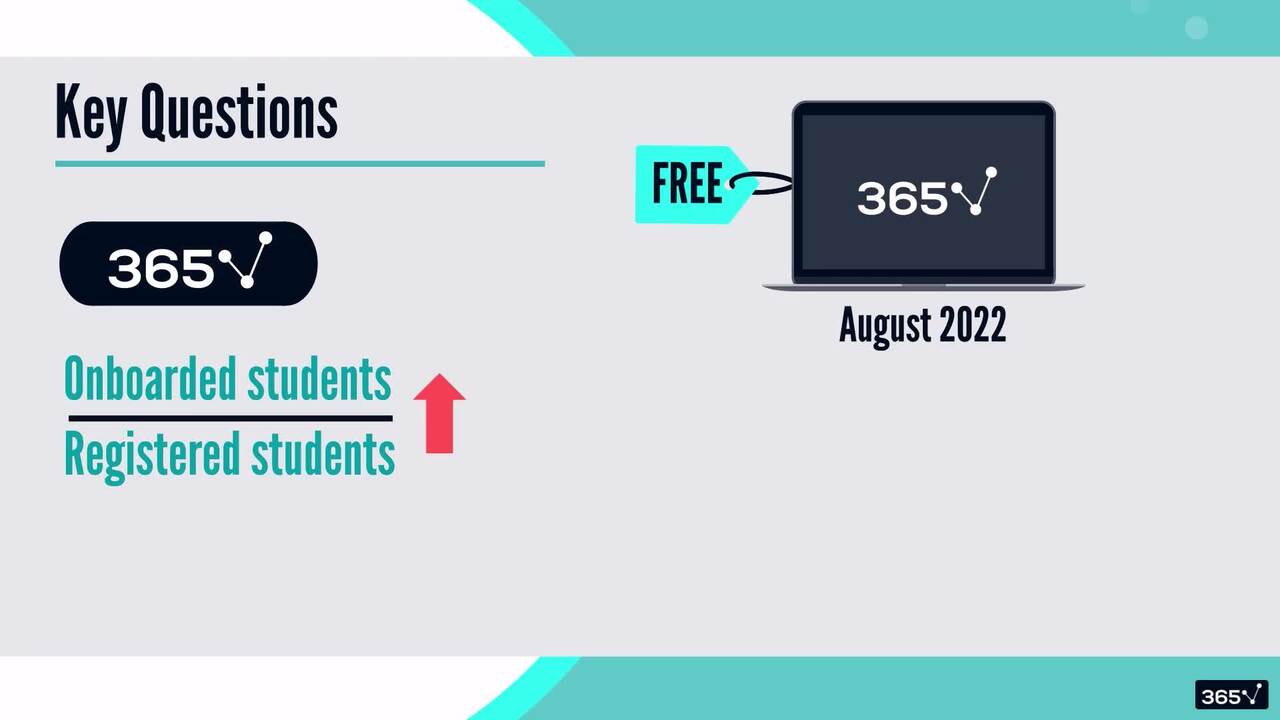
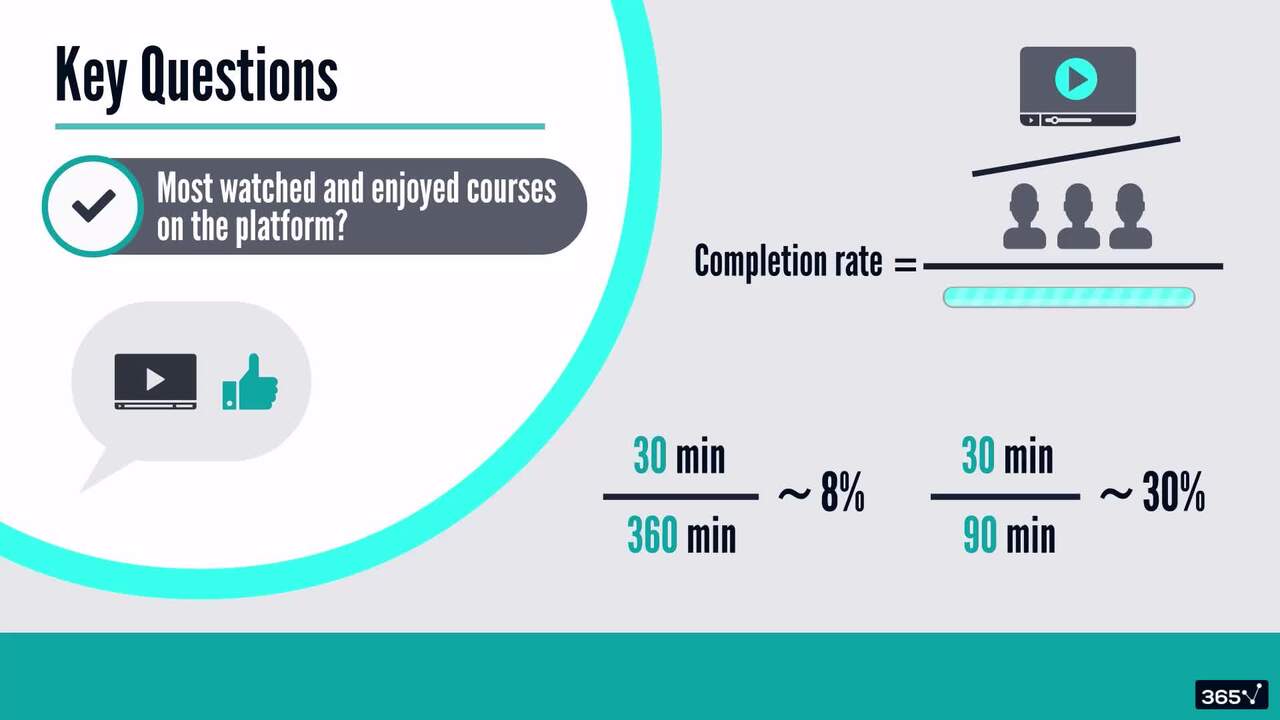
    This section defines the customer engagement case study and the most intriguing questions of the analysis. We’ll then use the questions to sketch our Tableau dashboard.
    26 min
    This section defines the customer engagement case study and the most intriguing questions of the analysis. We’ll then use the questions to sketch our Tableau dashboard.
    The Case Study Free
    Exercise Free
    Defining the Key Questions (Part 1) Free
    Exercise Free
    Defining the Key Questions (Part 2) Free
    Exercise Free
    Sketching the Dashboard (Part 1) Free
    Sketching the Dashboard (Part 2) Free
  • 3. Retrieving Relevant Data from the Database
    31 min
    In this section, we’ll rely on MySQL Workbench to import and study the database. We then focus on creating a query that retrieves information about the students’ engagement on a specific day and whether they’ve been free or paid users. You’ll learn how to export this information into a CSV file, later to be fed into Tableau.
    31 min
    In this section, we’ll rely on MySQL Workbench to import and study the database. We then focus on creating a query that retrieves information about the students’ engagement on a specific day and whether they’ve been free or paid users. You’ll learn how to export this information into a CSV file, later to be fed into Tableau.
    Types of Data Access Free
    Exercise
    Importing and Presenting the Database
    SQL Query – Activity by Dates (Part 1)
    SQL Query – Activity by Dates (Part 2)
    SQL Query – Activity by Dates (Part 3)
    Exercise
    Assignment 1
    Practice exam
  • 4. Building the Dashboard – Introduction to Dashboards
    22 min
    This section of the Customer Engagement Analysis course is an introduction to Tableau dashboards. We discuss the dashboard dimensions, the objects it offers, the difference between a Tiled and a Floating layout, and the importance of the item hierarchy within a dashboard.
    22 min
    This section of the Customer Engagement Analysis course is an introduction to Tableau dashboards. We discuss the dashboard dimensions, the objects it offers, the difference between a Tiled and a Floating layout, and the importance of the item hierarchy within a dashboard.
    Fixing the Size of the Dashboard
    The Horizontal, Vertical, and Blank Objects
    The Text, Image, and Navigation Objects
    Creating an Item Hierarchy
    Tiled versus Floating Layout
  • 5. Building the Dashboard – The Overview Page
    55 min
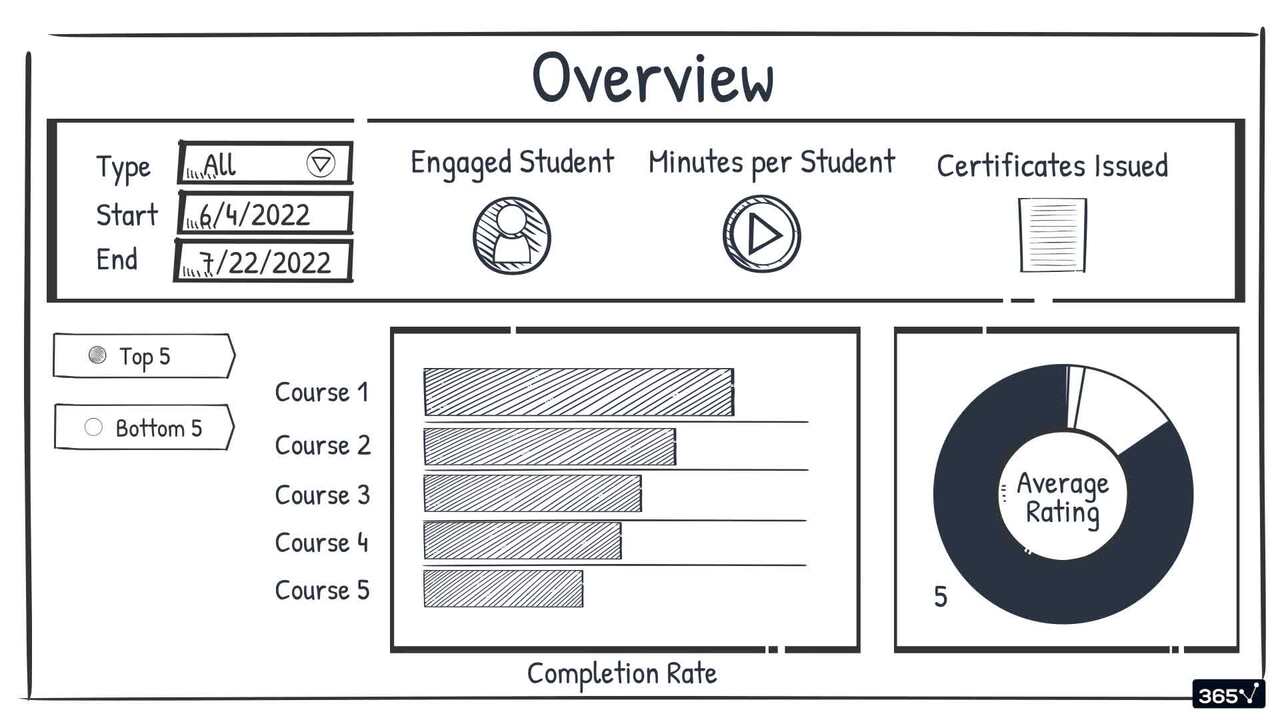
    In this section, we create our first Tableau visuals. We cover the construction and design of key performance indicators showing the number of engaged students on the platform, the average minutes watched, and the number of certificates issued. Then, we create a horizontal bar chart analyzing the courses students are most interested in. A donut chart reveals the distribution of course reviews from 5 stars to 1. We also learn to use parameters as filters as well as tools for switching between sheets. Finally, we put the sheets together in our first of five dashboard pages.
    55 min
    In this section, we create our first Tableau visuals. We cover the construction and design of key performance indicators showing the number of engaged students on the platform, the average minutes watched, and the number of certificates issued. Then, we create a horizontal bar chart analyzing the courses students are most interested in. A donut chart reveals the distribution of course reviews from 5 stars to 1. We also learn to use parameters as filters as well as tools for switching between sheets. Finally, we put the sheets together in our first of five dashboard pages.
    Creating the KPIs (Part 1)
    Creating the KPIs (Part 2)
    Assignment 2
    Horizontal Bar Chart – Overall Minutes Watched
    Formatting the Horizontal Bar Chart
    Assignment 3
    Swapping Between Charts Using a Parameter
    Donut Chart – Ratings
    Assignment 4
    Creating the First Page of the Dashboard (Part 1)
    Assignment 5
    Creating the First Page of the Dashboard (Part 2)
    Assignment 6
    Creating the First Page of the Dashboard (Part 3)
  • 6. Building the Dashboard – The Engagement and Onboarding Page
    27 min
    This section covers the second page of our customer engagement analysis dashboard. We create a line and bar charts showing how the number of engaged students varies with time. The sheets are adapted to different date granularities (daily and monthly), switching between them with navigation buttons.
    27 min
    This section covers the second page of our customer engagement analysis dashboard. We create a line and bar charts showing how the number of engaged students varies with time. The sheets are adapted to different date granularities (daily and monthly), switching between them with navigation buttons.
    Line Chart – Number of Engaged Students (Choosing the Engagement Period)
    Line chart – Onboarded to Registered Students (Choosing the Engagement Period)
    Assignment 7
    Line and Bar Charts - Number of Engaged Students (Choosing the Month and Year)
    Assignment 8
    Creating the Second Page of the Dashboard
    Assignment 9
    Configuring the Navigation Buttons
    Assignment 10
  • 7. Building the Dashboard – The Engagement by Cohorts Page
    29 min
    We dedicate this section to cohorts and cohort analyses. We first set the scene and discuss what cohorts are and how they are represented graphically. We then create a cohort table and retention curves in Tableau, which analyze the retention of engaged customers on the platform. We learn how to use action filters to display the retention curves upon selection on the cohort table. We also create a tooltip that displays helpful information about the charts when hovered over them. Finally, we combine these elements on the third page of the dashboard.
    29 min
    We dedicate this section to cohorts and cohort analyses. We first set the scene and discuss what cohorts are and how they are represented graphically. We then create a cohort table and retention curves in Tableau, which analyze the retention of engaged customers on the platform. We learn how to use action filters to display the retention curves upon selection on the cohort table. We also create a tooltip that displays helpful information about the charts when hovered over them. Finally, we combine these elements on the third page of the dashboard.
    What is a Cohort Analysis?
    Cohort Tables – Retention of Student Engagement
    Retention Curves – Retention of Student Engagement
    Assignment 11
    Creating the Third Page of the Dashboard
    Assignment 12
    Creating a Hover Tooltip
    Assignment 13
  • 8. Building the Dashboard – The Exams and Certificates Page
    18 min
    This section of the Customer Engagement Analysis course deals with exams, certificates, and career track analyses. We create a horizontal stacked bar chart to visualize the number of successful and unsuccessful exam attempts, a vertical bar chart to display the monthly certificates issued, and another horizontal bar chart to create a funnel analysis. We then arrange these charts with their filters on the fourth page of the dashboard.
    18 min
    This section of the Customer Engagement Analysis course deals with exams, certificates, and career track analyses. We create a horizontal stacked bar chart to visualize the number of successful and unsuccessful exam attempts, a vertical bar chart to display the monthly certificates issued, and another horizontal bar chart to create a funnel analysis. We then arrange these charts with their filters on the fourth page of the dashboard.
    Horizontal Stacked Bar Chart – Number of Exams Attempted
    Assignment 14
    Bar Charts – Certificates Issuance and Career Track Funnel
    Assignment 15
    Creating the Fourth Page of the Dashboard
    Assignment 16
  • 9. Building the Dashboard – The Content Consumption Page
    11 min
    The fifth and final page of the dashboard features an analysis of the minutes watched by 365’s students, the free-to-paid conversion rate based on the amount of content consumed before subscribing, as well as studying the relationship between content consumed and subscription duration. All these analyses are visualized by combo charts—combining a line chart and a bar chart.
    11 min
    The fifth and final page of the dashboard features an analysis of the minutes watched by 365’s students, the free-to-paid conversion rate based on the amount of content consumed before subscribing, as well as studying the relationship between content consumed and subscription duration. All these analyses are visualized by combo charts—combining a line chart and a bar chart.
    Combo Charts – Minutes Watched and Minutes Watched per User
    Combo Chart – F2P Conversion Rate and Subscription Duration
    Practice exam
  • 10. Discussion and Insights
    47 min
    The course’s final section is dedicated to analyzing the dashboard, gaining valuable insights, and suggesting changes that would ideally improve the platform’s performance and increase the company’s revenue. We also discuss possible improvements and further analysis of the customer engagement dashboard.
    47 min
    The course’s final section is dedicated to analyzing the dashboard, gaining valuable insights, and suggesting changes that would ideally improve the platform’s performance and increase the company’s revenue. We also discuss possible improvements and further analysis of the customer engagement dashboard.
    Interpreting the Data (Platform Engagement)
    Interpreting the Data (Onboarding and Retention)
    Interpreting the Data (Content Consumption)
    Interpreting the Data (F2P CR and Subscription Duration)
    Interpreting the Data (Courses Engagement)
    Interpreting the Data (Exams)
    Interpreting the Data (Certificates)
    Further Steps and Improvement
  • 11. Course project and exam
    690 min
    690 min
    Customer Engagement Analysis with SQL and Tableau Project
    Course exam

Free lessons

What Does the Course Cover?

1.1 What Does the Course Cover?

4 min

Motivation - Our Story

1.2 Motivation - Our Story

5 min

The Case Study

2.1 The Case Study

5 min

Defining the Key Questions (Part 1)

2.3 Defining the Key Questions (Part 1)

7 min
Defining the Key Questions (Part 2)

2.5 Defining the Key Questions (Part 2)

6 min
Sketching the Dashboard (Part 1)

2.7 Sketching the Dashboard (Part 1)

4 min

Start for free

94%

of AI and data science graduates

successfully change

or advance their careers.

9 in 10

people walk away career-ready

with practical data and AI skills.

$29,000

average salary increase

after moving to an AI and data science career

ACCREDITED certificates

Craft a resume and LinkedIn profile you’re proud of—featuring certificates recognized by leading global institutions.

Earn CPE-accredited credentials that showcase your dedication, growth, and essential skills—the qualities employers value most.

  • Institute of Analytics
  • The Association of Data Scientists
  • E-Learning Quality Network
  • European Agency for Higher Education and Accreditation
  • Global Association of Online Trainers and Examiners

Certificates are included with the Self-study learning plan.
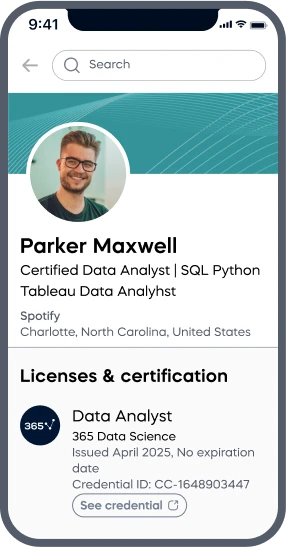
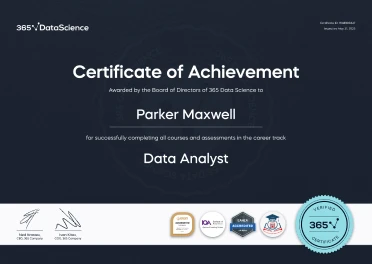
A LinkedIn profile mockup on a mobile screen showing Parker Maxwell, a Certified Data Analyst, with credentials from 365 Data Science listed under Licenses & Certification. A 365 Data Science Certificate of Achievement awarded to Parker Maxwell for completing the Data Analyst career track, featuring accreditation badges and a gold “Verified Certificate” seal.

How it WORKS

  • Lessons
  • Exercises
  • Projects
  • Practice exams
  • AI mock interviews

Lessons

Learn through short, simple lessons—no prior experience in AI or data science needed.

Try for free

Exercises

Reinforce your learning with mini recaps, hands-on coding, flashcards, fill-in-the-blank activities, and other engaging exercises.

Try for free

Projects

Tackle real-world AI and data science projects—just like those faced by industry professionals every day.

Try for free

Practice exams

Track your progress and solidify your knowledge with regular practice exams.

Try for free

AI mock interviews

Prep for interviews with real-world tasks, popular questions, and real-time feedback.

Try for free

Student REVIEWS

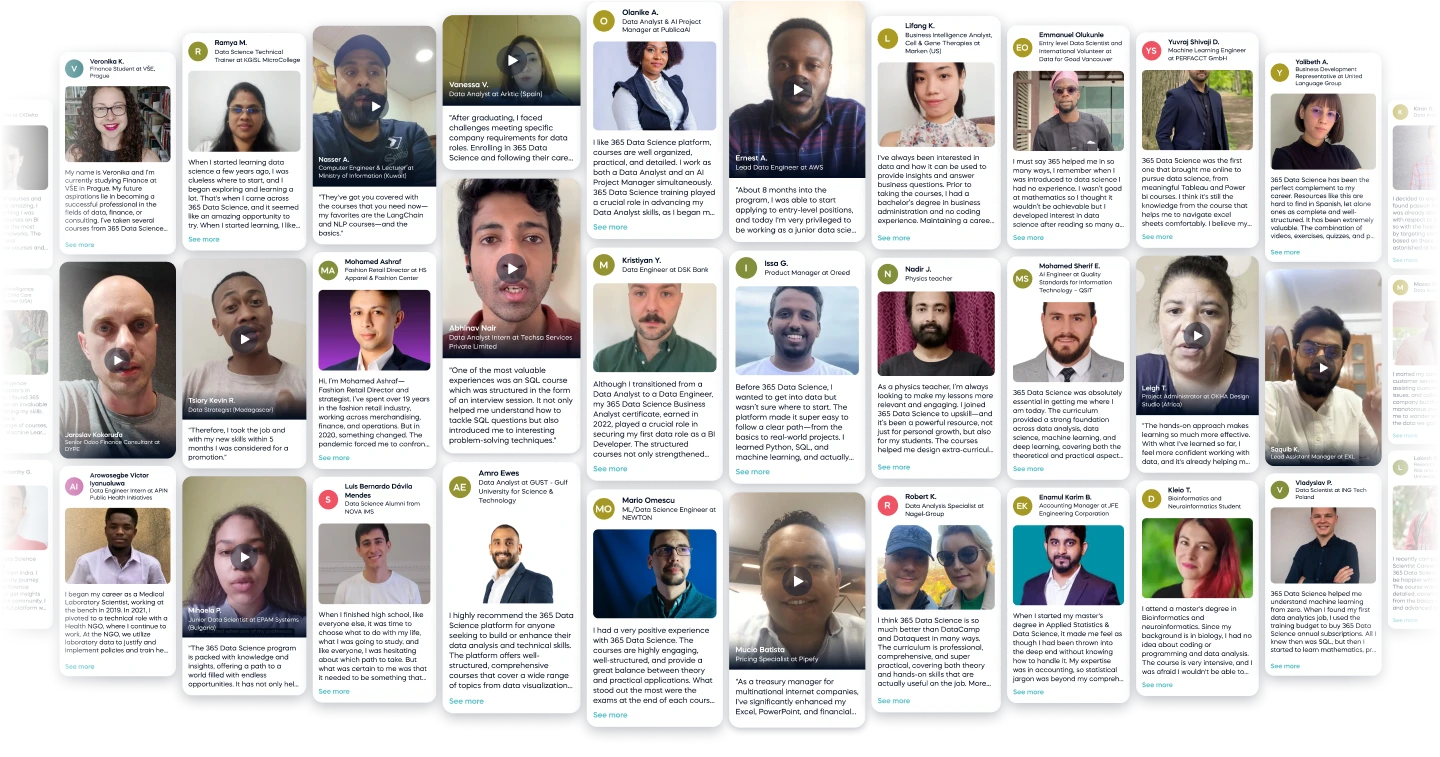
A collage of student testimonials from 365 Data Science learners, featuring profile photos, names, job titles, and quotes or video play icons, showcasing diverse backgrounds and successful career transitions into AI and data science roles.